




FLATE Focus
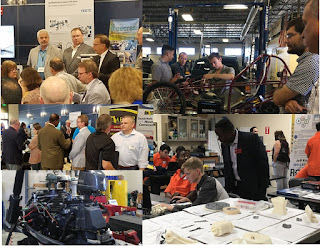
Tracing the Evolution of Manufacturing Day Student Tours in Florida
The Early Years
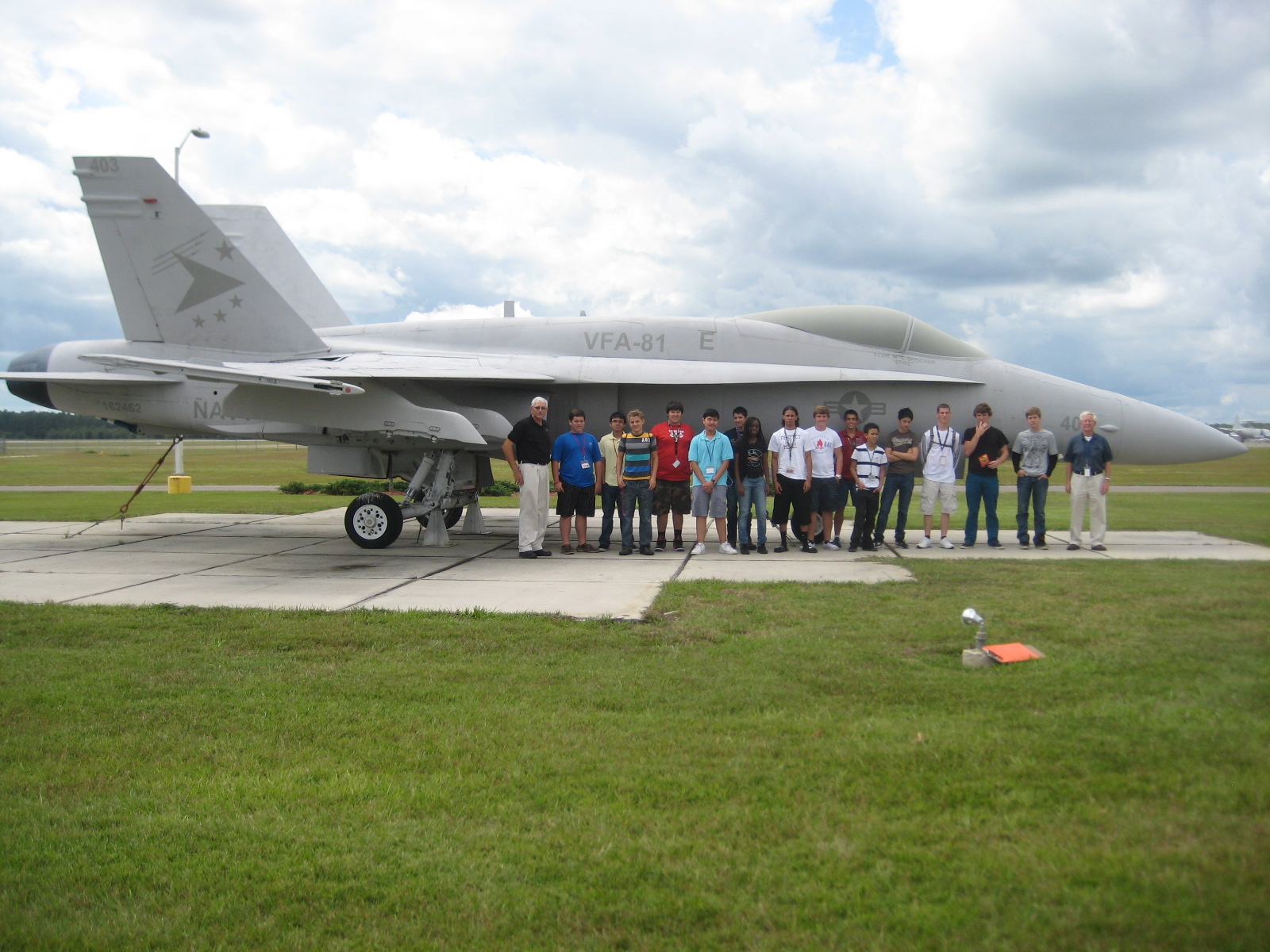
Manufacturing Day marks the kick-off for a month-long celebration of manufacturing and manufacturers contributions in shaping the face of modern manufacturing. Manufacturing Day is an opportunity for manufacturers to step out of the shadows and spotlight their role in transforming innovative ideas into real-world products. For a long time, the word ‘Manufacturing’ conjured negative images of a dying industry with limited opportunities and potential for growth. In reality, manufacturing is the lifeline of an economy, any economy for that matter! In that respect, Manufacturing Day earmarks the trailblazing moments of the manufacturing industry, the role of manufacturing in germinating groundbreaking ideas and converting them into tangible products, and showcasing what manufacturers do on a daily basis to inspire the next generation of innovators.
On the national level, the Manufacturing Day initiative kick started in 2012 and was orchestrated primarily by Fabricators and Manufacturers Association International and its cohesive network of partners that at the time included NAM, National Manufacturers Association, the Manufacturing Institute (MI), the National Institute of Standards and Technology (NIST) and the Hollings Manufacturing Extension Partnership (MEP). This network of founding partners have been highly successful in rolling out the idea of celebrating Manufacturing Day on a national platform and in working with a vast network of statewide organizations that have hopped into the bandwagon to celebrate Manufacturing Day on a local level in various pockets and capacities across the country.
 By 2013, the idea had taken flight and FLATE had set the stage for an official first kick off of Manufacturing Day in Florida. During the initial years, FLATE took a leading role in working with statewide partners that included manufacturers, manufacturers associations, trade groups, school districts, colleges and universities, to organize the logistics for industry tours for students across the state. FLATE also worked with local partners to get the local, county and state government on board to issue proclamations marking the first Friday in October as Manufacturing Day. In addition to arranging industry tours for students, FLATE spearheaded the campaign for industry partners to sponsor T-Shirts and lunches for students, teachers and chaperones who participated in an industry tour for manufacturing day. Not to leave the marketing part out, FLATE worked with regional “Manufacturing Day Teams” to arrange media publicity and coverage on a regional and statewide basis.
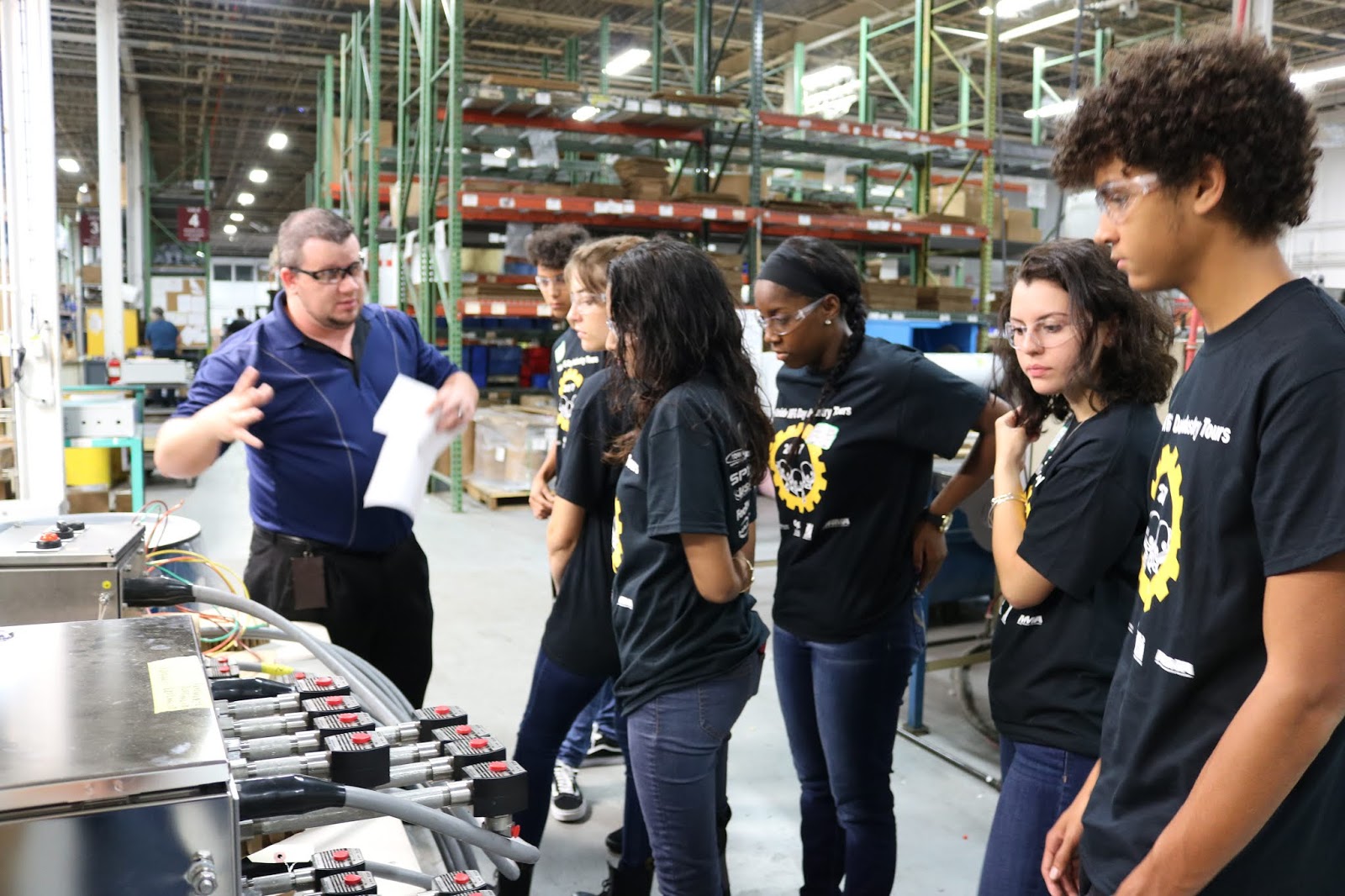 Over 4,700 students participated in manufacturing day industry tours in 2015. The number of tour hosts across the state was at an all-time high, with the number of educators/chaperons and parents participating in an industry tour doubling compared to the previous years. The total number of stakeholder surveys (students, educators/chaperones and industry hosts) also witnessed a dramatic increase in 2015.
2019 is poised to be another banner year for Manufacturing Day in Florida. Across the state new Manufacturing Day teams have emerged to lead regional efforts for Manufacturing Day. Check with your regional manufacturers associations to get an update on how to get involved in Manufacturing Day industry tours and related events. In terms of FLATE, it has completely revamped its Manufacturing Day site. The FLATE Wiki is now your one-stop-shop for all information and resources needed to successfully plan Manufacturing Day industry tours and events, access Manufacturing Day STEM-based curriculum, download instructions for media outreach, and download pre and post Manufacturing Day surveys. The FLATE Industry Tour Best Practice Guide is also another great place to check while planning your Manufacturing Day tours and events.
 Manufacturing Day and Month needs your help in collecting surveys! In 2018, 5,075 students went on industry tours during Manufacturing Day, but only 24% students completed and turned in their surveys. During Manufacturing Day and Month, FLATE collects data from surveys completed by students, teachers, and manufacturers. The Manufacturing Day surveys gives feedback on how industry tours can be improved and gives us an insight on what students think about manufacturing fields. In 2018, we saw how big of an impact the tours had on students when results showed that there was a 77% additional growth for students considering a career in advanced manufacturing after taking an industry tour. Some of the additional comments students wanted to share were, “This was the most interesting field trip I have been on,” and, “I was happy to have the opportunity to go on this tour and I would like to receive a job at one of these manufacturing facilities once I reach the designated requirements.”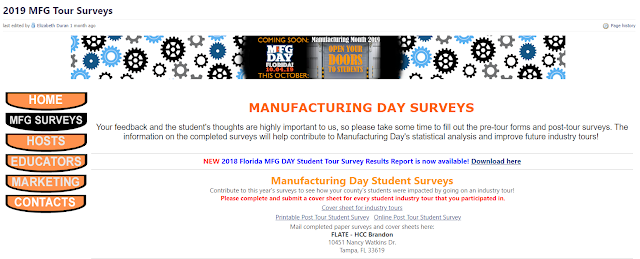

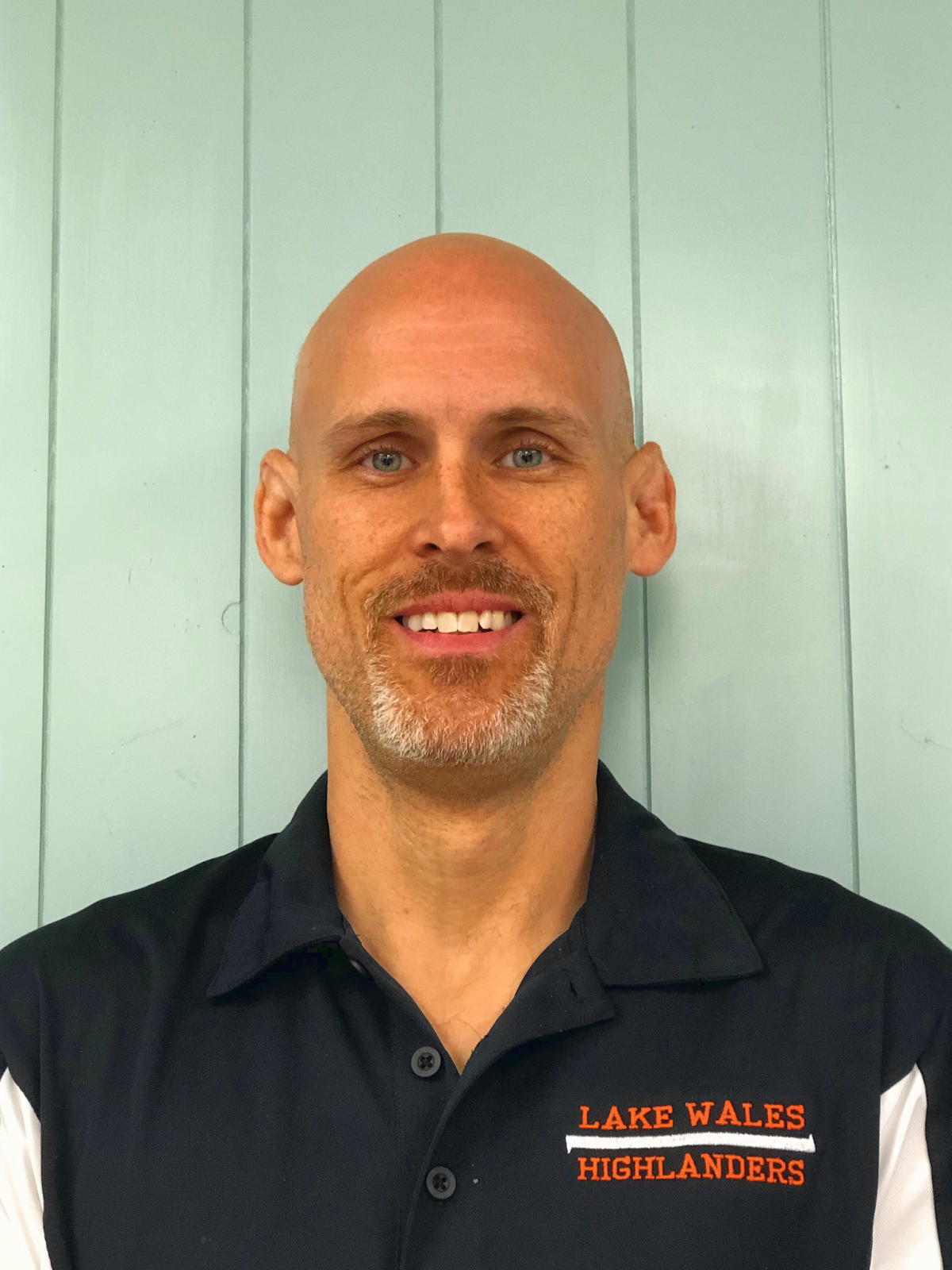
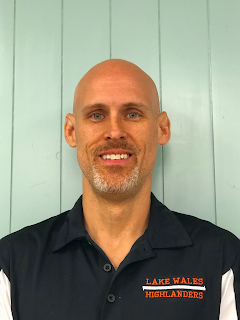 At the secondary education level, Michael J. Sargent, an engineering instructor at Lake Wales Charter School will receive the 2019 FLATE Manufacturing Secondary Educator-of-the-Year Award. Originally from upstate New York, Sargent started his foray into the world of manufacturing as a mathematics and engineering teacher for Polk County Schools (PCS). While working for PCS he became the first authorized MSSC instructor for Polk County high schools. At the time Sargent was tasked with creating Florida’s first nationally accredited manufacturing engineering high school program and related outreach initiatives through the National Career Academy Coalition. As a result of his efforts 44 high school students earned the MSSC CPT certification. Sargent believes “education at the high school level is important as it exposes students to the diversity of jobs and skills needed to succeed.” As a proponent of increasing female awareness and presence in the world of engineering, in 2018 Sargent partnered with the Society of Women Engineers at the University of Central Florida to create a mentoring program for female high school students to receive guidance and connections from female engineering students at the University of Central Florida.
 At the post-secondary level, Ronald D. Eaglin, Ph.D., has been nominated for the Distinguished Manufacturing Post-Secondary Educator-of-the-Year Award. Dr. Eaglin currently serves as the professor and Chair of the Department of Engineering and Information Technology at Daytona State College in Daytona, FL. Eaglin has enjoyed a long and illustrious career both as a distinguished educator and an entrepreneur. His academic credentials include a B.S. in Mechanical Engineering from the University of South Carolina where he graduated Magna Cum Laude. He holds an M.S. and a Ph.D. in Environmental Engineering from the University of Central Florida. He also holds a special Honors Degree from South Carolina College. In the academic sphere, Dr. Eaglin has held several esteemed positions serving as the Associate Vice President for the College of Technology and Chair of the Engineering Technology program at Daytona State College (DSC). Prior to joining DSC, Dr. Eaglin was the Chair of the Engineering Technology program and the Assistant Dean for Distributed Learning College of Engineering at the University of Central Florida.
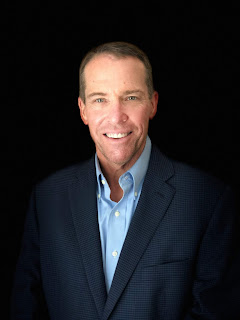 Brewster’s leadership in the manufacturing arena is rooted in his longstanding commitment to world-class talent development in the manufacturing workforce. For Brewster it is all about the people, the faces and forces behind the world of manufacturing. He believes “a manufacturing company will only go as far as its employee talent pool will carry it.” Brewster states job satisfaction in manufacturing comes from leadership commitment to learning and opportunities for formal training for all employees to reach their full potential.
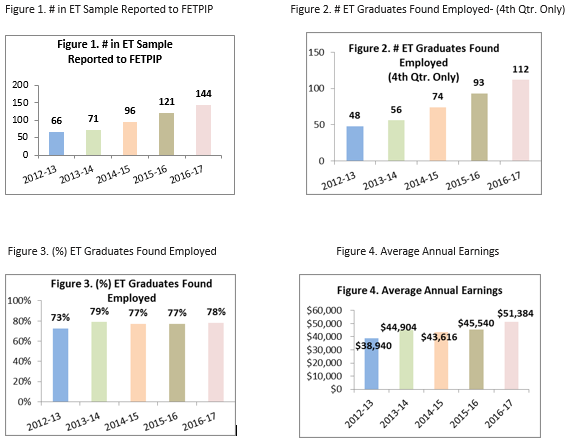
 FLATE uses the Florida Education and Training Placement Information Program (FETPIP) data to track employment of engineering technology (ET) grads and to learn about their earning outcomes.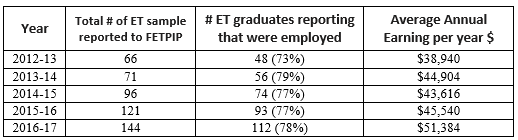
 The 42nd state-wide Forum on Engineering Technology (ET Forum) held on March 28th and 29th was hosted by the Suncoast Technical College – Sarasota Main Campus. This was the first visit to Suncoast Technical College which provides quality technical education to meet workforce to address the issues concerning our field of technical education development and community needs with their programs in automation and manufacturing. This spring forum has been one of the most attended since 1996 with 70 participants from 17 FL State and community colleges, three technical colleges and three state universities. The Forum provided ET and related discipline area faculty administrators and educators direct interaction with industry professionals and Florida Dept. of Education program supervisors.
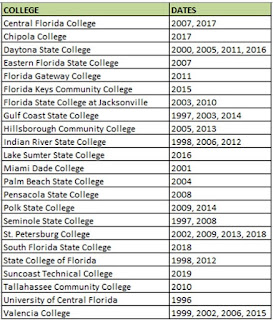 The Florida Engineering Technology Leadership Council and the Engineering Technology Forum was established in April 1997 at Seminole Community College (now Seminole State College). Since 1996 the ET Forum has been hosted in 23 Colleges around Florida.
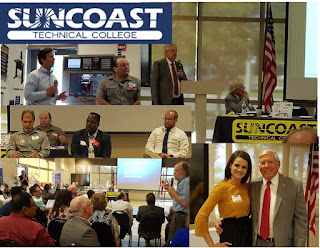 On Friday morning, the forum continued with more college issues, with discussions on how lab fees and what can and cannot be included. Other topics included – advanced technology updates, FLATE updates, and smart factory and eLearning. The meeting summary with more details, will be posted on FLATE’s wiki
 A total of 30 attendees responded to the survey the following: an impressive 100% of attendees who responded to the survey said that they are planning to use the information presented at this workshop and they will use the information they have gained with a colleague or peers and that they will recommend the forum to other colleagues, 89% of respondents agreed that the forum was an excellent overall professional development value.
 The concept of apprenticeships, how they are structured, and how apprenticeships have been integrated into the “workable education model” in Florida has been an ongoing discussion in past editions of the FLATE Focus. In the
 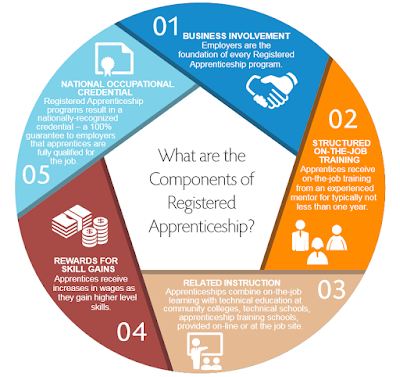 The length of apprenticeships varies from one to five years depending on the occupation training requirements. Time-Based apprenticeships complete a required number of hours in “On-The-Job” training. Competency-based apprenticeships progress at their own pace whereby apprentices demonstrate competency in skills and knowledge through proficiency test and applied practice validated by a supervisor, mentor, or journey worker. Hybrid apprenticeships use the minimum and maximum range of hours and require a successful demonstration of identified measured competencies. There is also the Career Lattice model that uses an interim credential to validate progression through a registered apprenticeship program within competency, or hybrid based models ONLY.
 In terms of manufacturing apprenticeships, there are nearly 200 students enrolled in various apprenticeship programs across Florida, most of which are related to machining. Tampa Bay Machining in Clearwater, FL, offers the top number of different apprenticeship programs across the state and has a total of 18 students enrolled in their 10 programs. Jacksonville Electric Authority (JEA) has the highest number of apprentices (59) currently enrolled in any manufacturing-related program (59 in their Maintenance Mechanic Apprenticeship). Other organizations offering apprenticeships supporting manufacturing include AmSkills in New Port Richey, South Florida Manufacturers Association in Fort Lauderdale, Treasure Coast Manufacturers Association in Port St. Lucie, Miami Dade College in Miami, CareerSource Suncoast in East Bradenton, St. Petersburg College in St. Petersburg, Baker-Hughes in Jacksonville, Arthrex Manufacturing in Ave Maria etc. See the full list of manufacturing apprenticeships programs across Florida and their enrollment.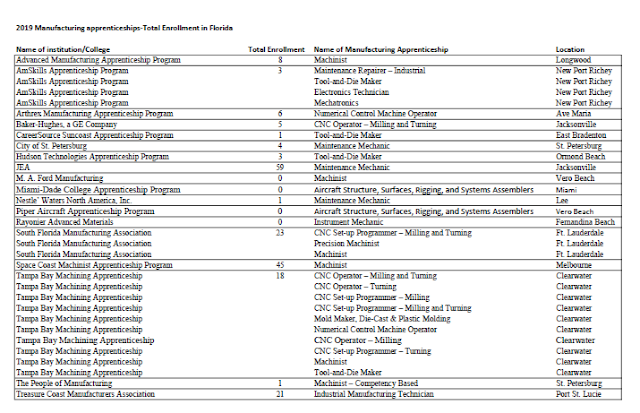
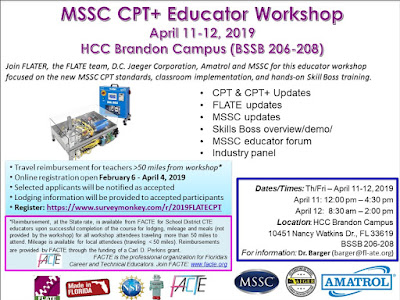 Here at FLATE, we have many Professional Development events and workshops that we carry on all throughout the year and this spring we are excited to announce our three new PD opportunities.
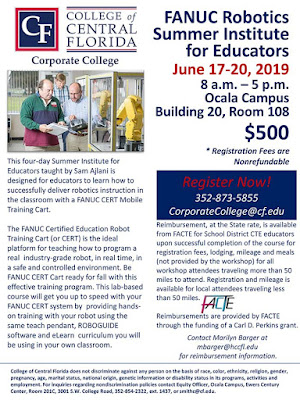 The second opportunity, FANUC Certified Education Robot Training Cart (CERT) is a hands-on learning course that will get you up to speed with your FANUC CERT system by providing training with an actual robot that uses the same Roboguide programming software and curriculum you will be using in your classroom. Join us for this free 4.5-day training at the Central Florida College, Ocala that will get you up to speed on basic robotics programming and prepare you for the FANUC certification.
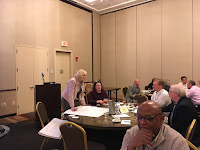
 In mid-December, the new “Preparing Technicians for the Future of Work” project hosted its advisory committee and Principal Investigators from ATE centers, coordination networks and projects in Alexandria, Virginia to explore anticipated impacts on the “future of work” on the advanced technicians graduating from our programs. This event kick-started the four-year ATE special project focused identifying what skills and knowledge the technician workforce will need in the coming decades and how we can best deploy them. The project advisory committee met the day prior to the Caucus and those 10 industry representatives joined the ATE Caucus to share their industry perspectives. The funded “Preparing Technicians” project is providing an important opportunity for the ATE community to come together and look toward the future of technician education and what we will want and need to change in our educational systems to best prepare students for the jobs of the future.
 Several NSF program officers from programs focused on the NSF’s “Big Idea” focusing on the Future of Work at the Human Technology Interface. This program spans the breadth of the National Science Foundation’s programs including the Advanced Technological Education (ATE) program. And, it is one of ten “Big Ideas” (see the Big Ideas
  You can join the Preparing Technician’s community by signing up on its website,
 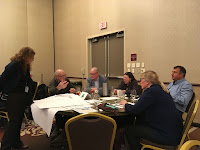 The fast pace of technological change, the power of artificial intelligence, G5 communication platforms, flexible manufacturing and virtual / augmented reality will affect how many workers do their work every day. We must do our best to anticipate what industry will look like for working technicians. FLATE looks forward to sharing news from the Preparing Technicians for the Future of Work project as it explores the technology workforce and workplace of the near future. For more information about the Preparing Technicians projects, contact the project P.I., Ann-Clair Anderson (
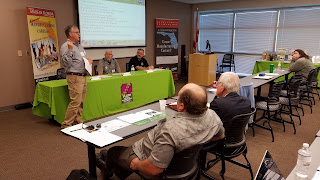 As we approach the holiday season and the beginning of a new year, it’s time to both look forward to where we want to go and who we want to be, and back to see where we have come. However, right now let’s focus on professional development (“PD”) and the future. What do we want to learn more about? What do we still want to learn? How can we better help our students?
 However, “PD” helps build and maintain morale and is thought to help attract higher quality people to an organization”. Additionally, “PD” can provide educators with innovative tools and helps them to develop skills to use these new tools effectively to affect a direct impact on student achievement. When educators feel empowered and confident in bringing something new to their instruction, they can reach students they may not have been able to with traditional teaching methods. Innovative technology and teaching tools in the classroom can allow for diverse and interesting lessons that will engage learners in new ways.
 FLATE, in partnership with the Central Florida College will conduct a 4.5-day Industrial Robot workshop in June. Registration and educator travel and lodging support is covered by our partner FACTE through a Perkins grant. FLATE will also host a MSSC CPT/CPT+ workshop this spring (dates and location will be finalized early in January). For the post-secondary Engineering Technology crowd, the spring ET Forum will be hosted for the first time by our colleagues at Sarasota Technical College (STC) on March 28-29.
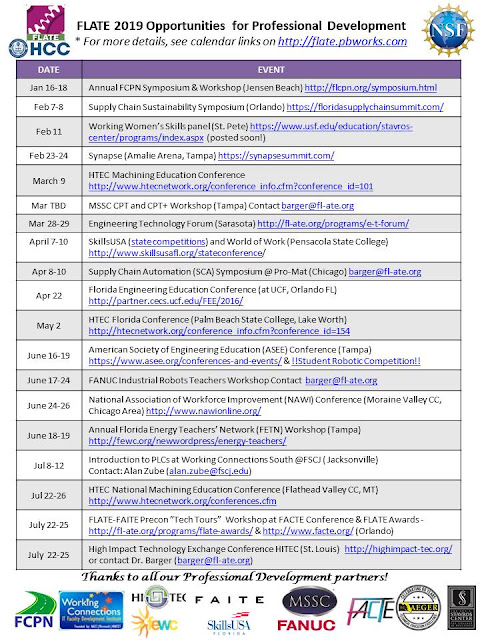 We encourage everyone to take advantage of some free local events that focus on new and emerging technologies. Two great candidates are the Synapse Innovation event in February in Tampa and the Florida HAAS Machining Educator Day hosted by Palm Beach State College Lake Worth Campus on May 2. Another good deal is the $25 Tech Tour pre-conference day hosted by FAITE and FLATE in conjunction with the Annual FACTE conference each July.