


FLATE Focus
Florida Council for Workforce Education (CWE)
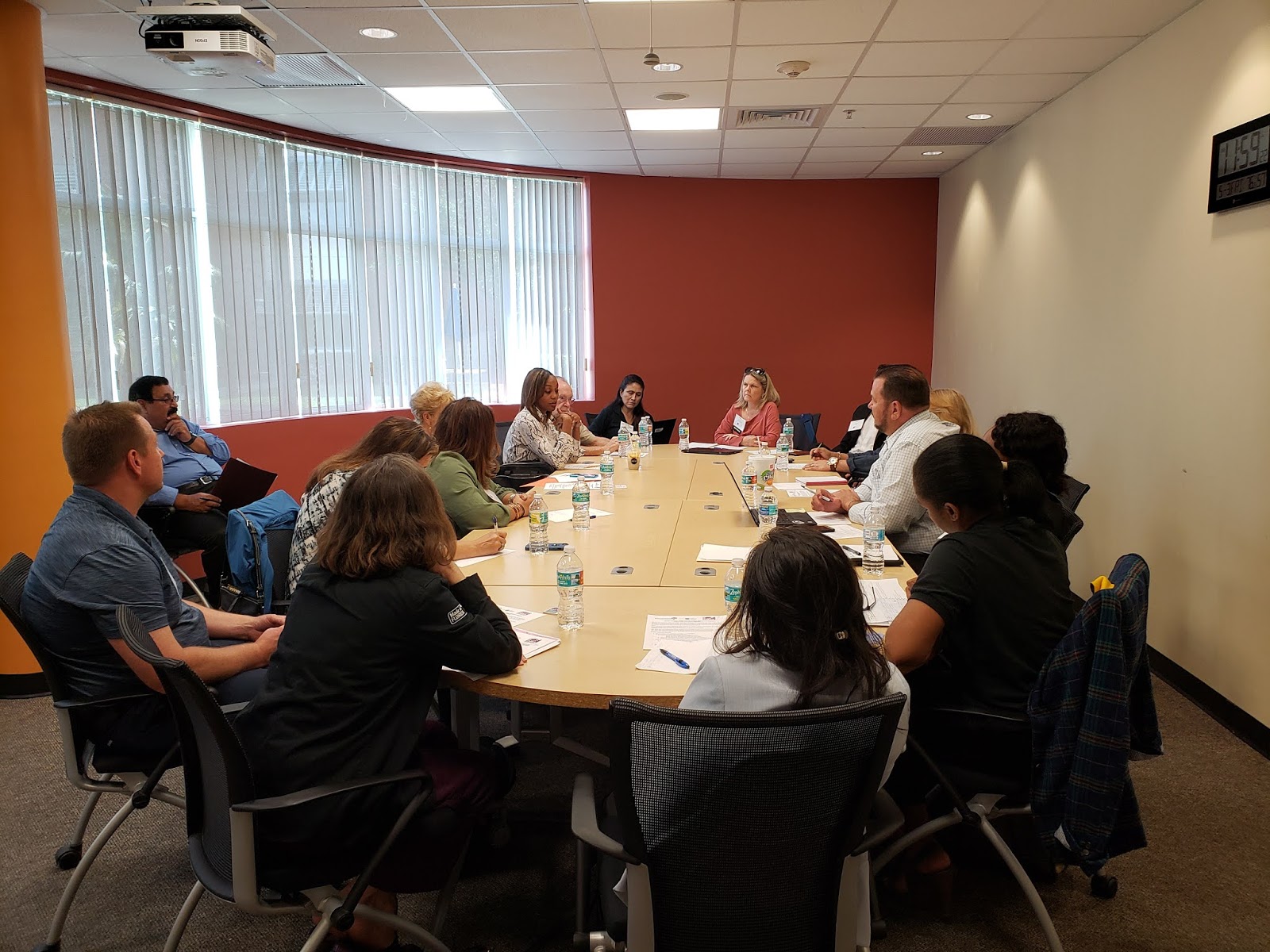
Academic administrators from the Florida State and Community Colleges meet three times per year to share strategies and learn about updates from the Florida Department of Education (FLDOE). They also work together to review and make recommendations to both the Florida College presidents and the FLDOE. The Council of Presidents (COP) recognizes the several continuing subordinate councils as well as directs and monitors their work and the work of any subcommittees and ad hoc working groups. Typically, each college has one voting representative for each council. Additional college representatives can attend the meetings and participate in the working groups.
There are 4 recognized subordinate councils (to the COP) that are related to college academics and college students:
 • the Council for Instructional Affairs (CIA)
• the Council for Student Affairs (CSA)
• the Council for Learning Resources (CLR)
• the Council for Workforce Education (CWE).
Each of these councils make independent recommendations for issues with respect to their specific focus. The Council of Workforce Education, for example, is, and always has been deeply engaged in the implementation of Perkins Laws as well as the Florida Career and Professional Education (CAPE) Act. Student success depends on student completions and smooth articulations to higher education and/or transitions to the workplace.
CWE currently has working groups to help identify solutions that will be amenable for all system colleges in several areas including how limited access programs are treated and coded, Perkins eligibility issues, A.S. to B.S articulations (local and statewide), developing a CTE Curriculum Framework for Science and Engineering, and appropriate General Education requirements for various A.S. degrees. Most of this current work supports the upcoming Perkins V implementation plan for the state and the newly implemented statewide CTE Audit mandated by Governor DeSantis.
In 2019, Governor DeSantis ordered a statewide audit of all CTE programs focused on market demand and institutional performance that includes the following:
• An analysis of alignment with certificate or degree programs offered at the K-12 and post-secondary levels;
• An analysis of alignment with professional level industry certifications;
• An analysis of alignment with high-growth, high-demand and high wage employment opportunities; and
• A review of student outcomes such as academic achievement, college readiness, post-secondary enrollment, credential attainment and attainment of industry certifications.
The next phase of the Florida CTE Audit will involve local reviews at the institutional level with assessments in the same categories. CWE will be an important liaison between the colleges. A lot is happening in CTE around the country and in Florida. Florida’s Council for Workforce Education is playing an important role to keep implementation of these new federal and state requirements fair and equitable to all institutions and supportive of student success.
For more information about the Florida CTE Audit, visit the FLDOE Career Pathways website; and, for more information on Florida’s Perkins V Implementation, visit this site. You can learn more about CWE on its shared website with the three other subordinate councils, www.fcscouncils.org.
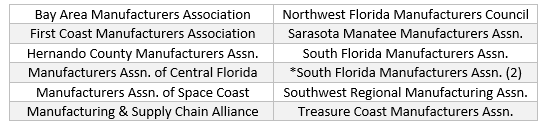



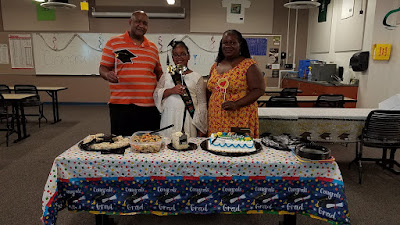
 Chris Mizell was fresh out of the military when he started his degree in engineering technology at Hillsborough Community College (HCC). He knew he wanted to pursue a workforce-ready degree which as he thought would be a fast-track to launching a career in a new direction. The A.S. degree in engineering technology was just the right fit for him. “The program by far is the best route for any industrial tradesmen looking to enhance his/her knowledge and make that next step into a career.” The degree helped Mizell broaden his knowledge in the concepts, applications, and working of an industrial production process. The courses also helped build his electrical and electronic capabilities in the fast-growing technology industries.
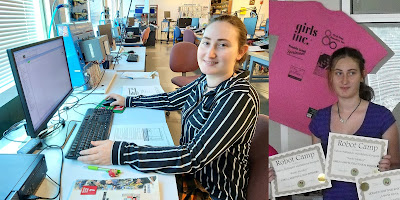 Valerie Bullington’s journey speaks of another rising star whose foray into the world of
 Our final spotlight is on a graduate who earned his A.S.E.T degree in 2012 from the State College of Florida (SCF). Andrew Sink’s exposure and journey into the world of manufacturing started as an international exchange student at SCF. The international student exchange program was an educational program that culminated through a partnership between FLATE, the Florida-based National Science Foundation Center, SCF, HCC and Usurbilgo Lanbide Eskola, an overseas college in the Basque Country that offers similar engineering technology programs.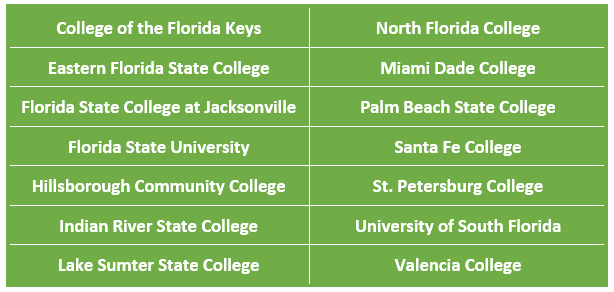



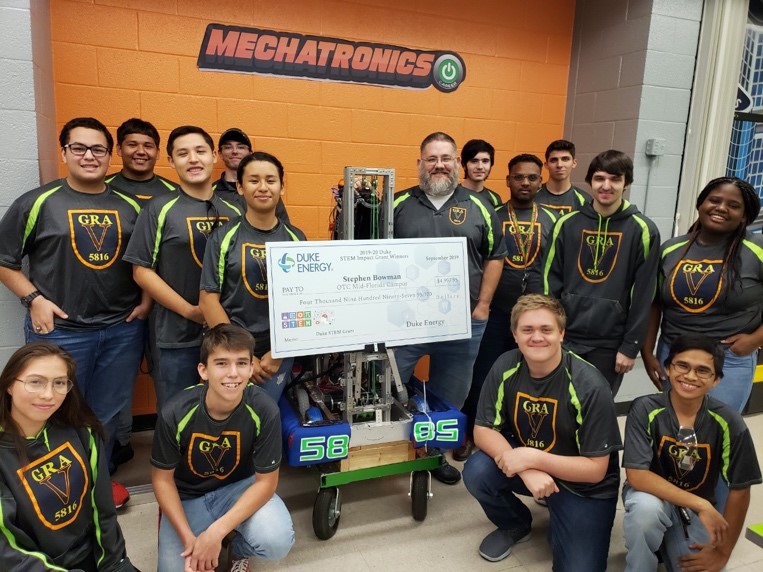
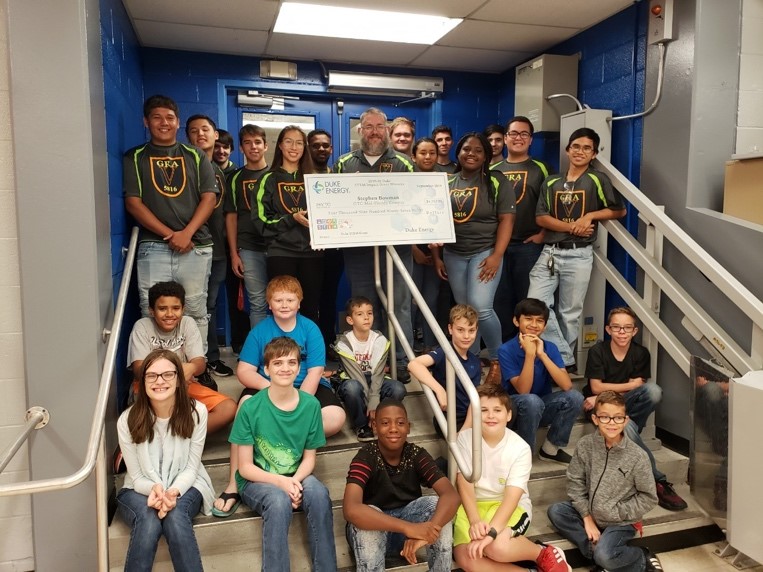
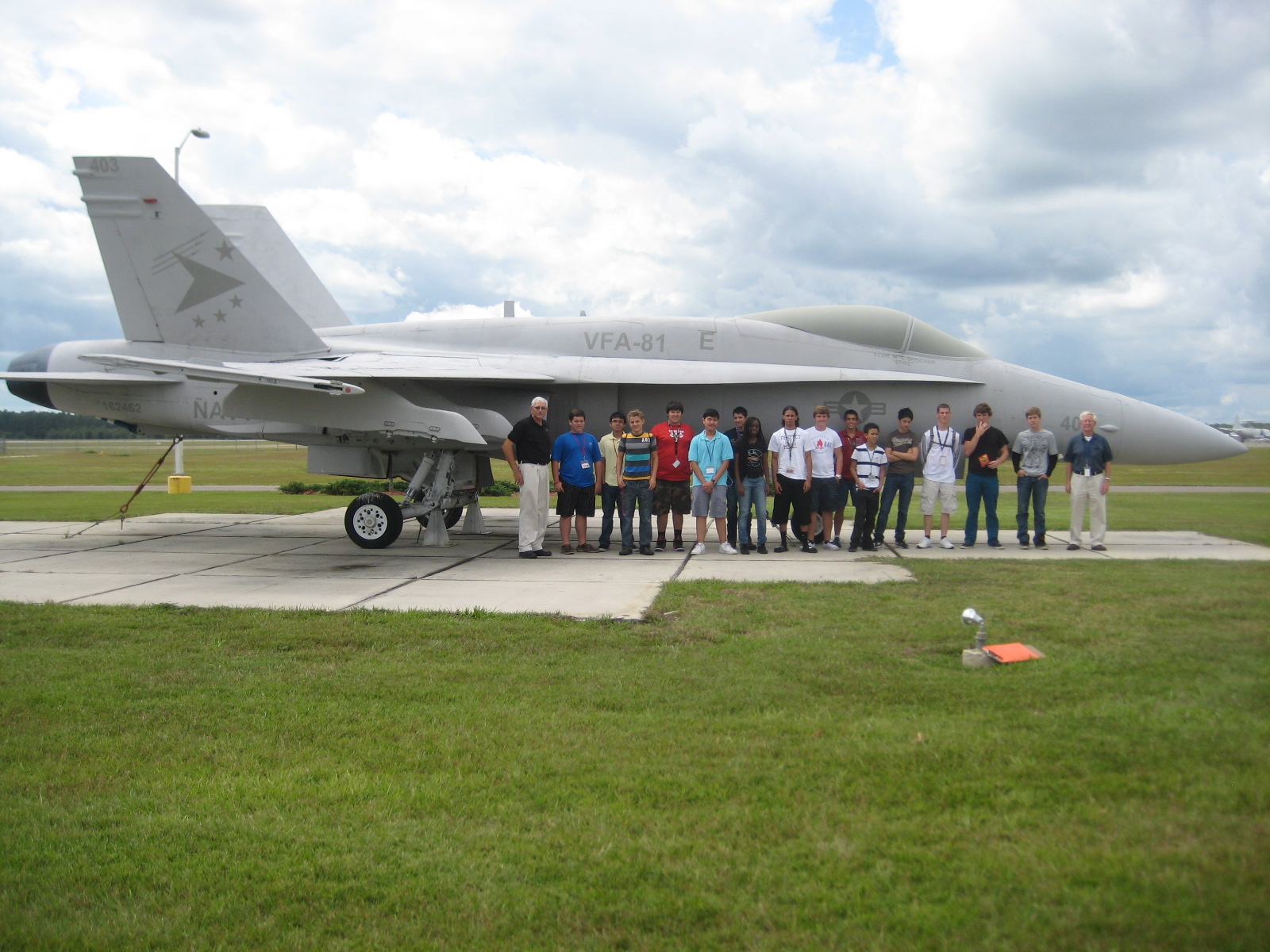

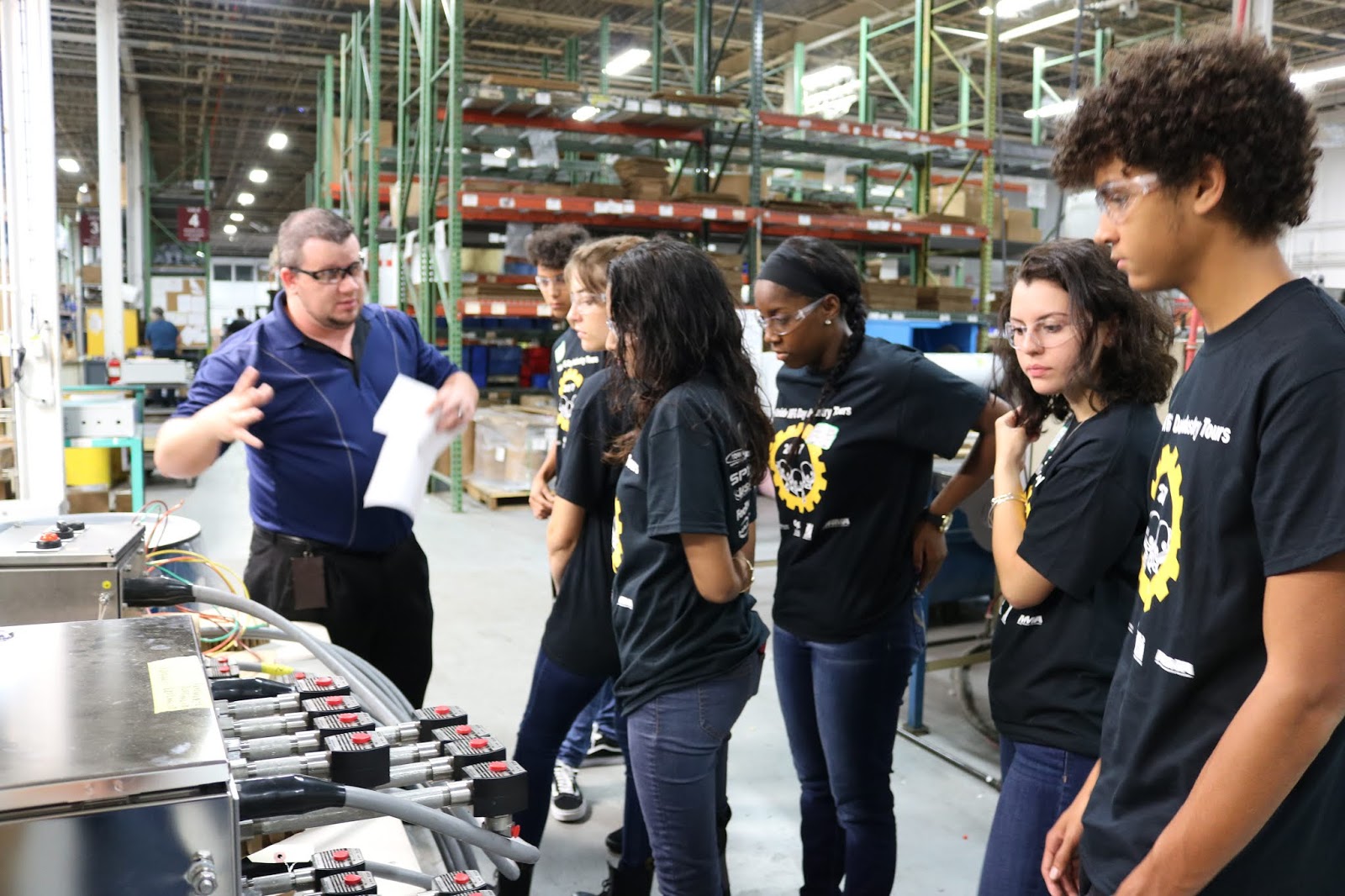

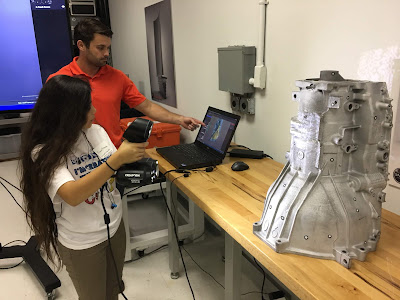 Manufacturing Day and Month needs your help in collecting surveys! In 2018, 5,075 students went on industry tours during Manufacturing Day, but only 24% students completed and turned in their surveys. During Manufacturing Day and Month, FLATE collects data from surveys completed by students, teachers, and manufacturers. The Manufacturing Day surveys gives feedback on how industry tours can be improved and gives us an insight on what students think about manufacturing fields. In 2018, we saw how big of an impact the tours had on students when results showed that there was a 77% additional growth for students considering a career in advanced manufacturing after taking an industry tour. Some of the additional comments students wanted to share were, “This was the most interesting field trip I have been on,” and, “I was happy to have the opportunity to go on this tour and I would like to receive a job at one of these manufacturing facilities once I reach the designated requirements.”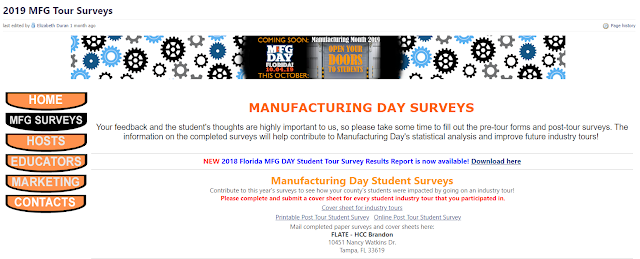

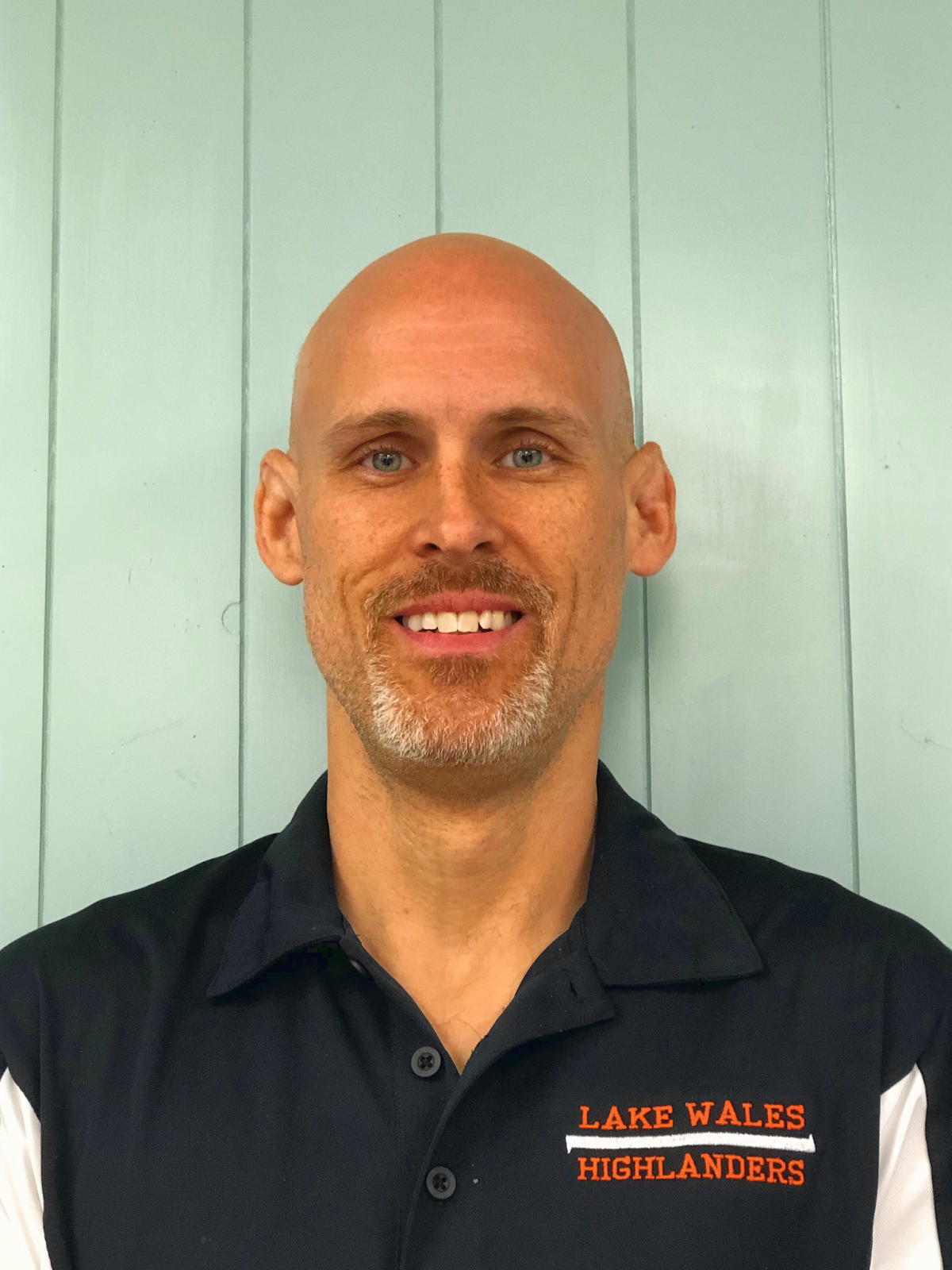
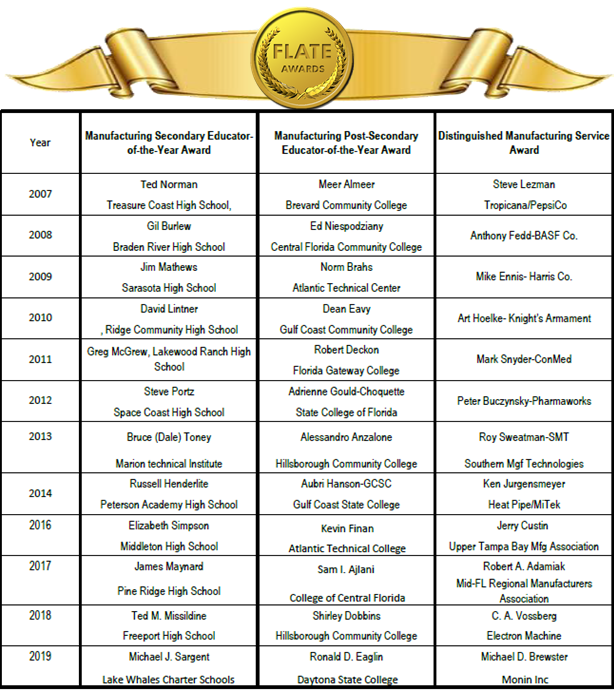
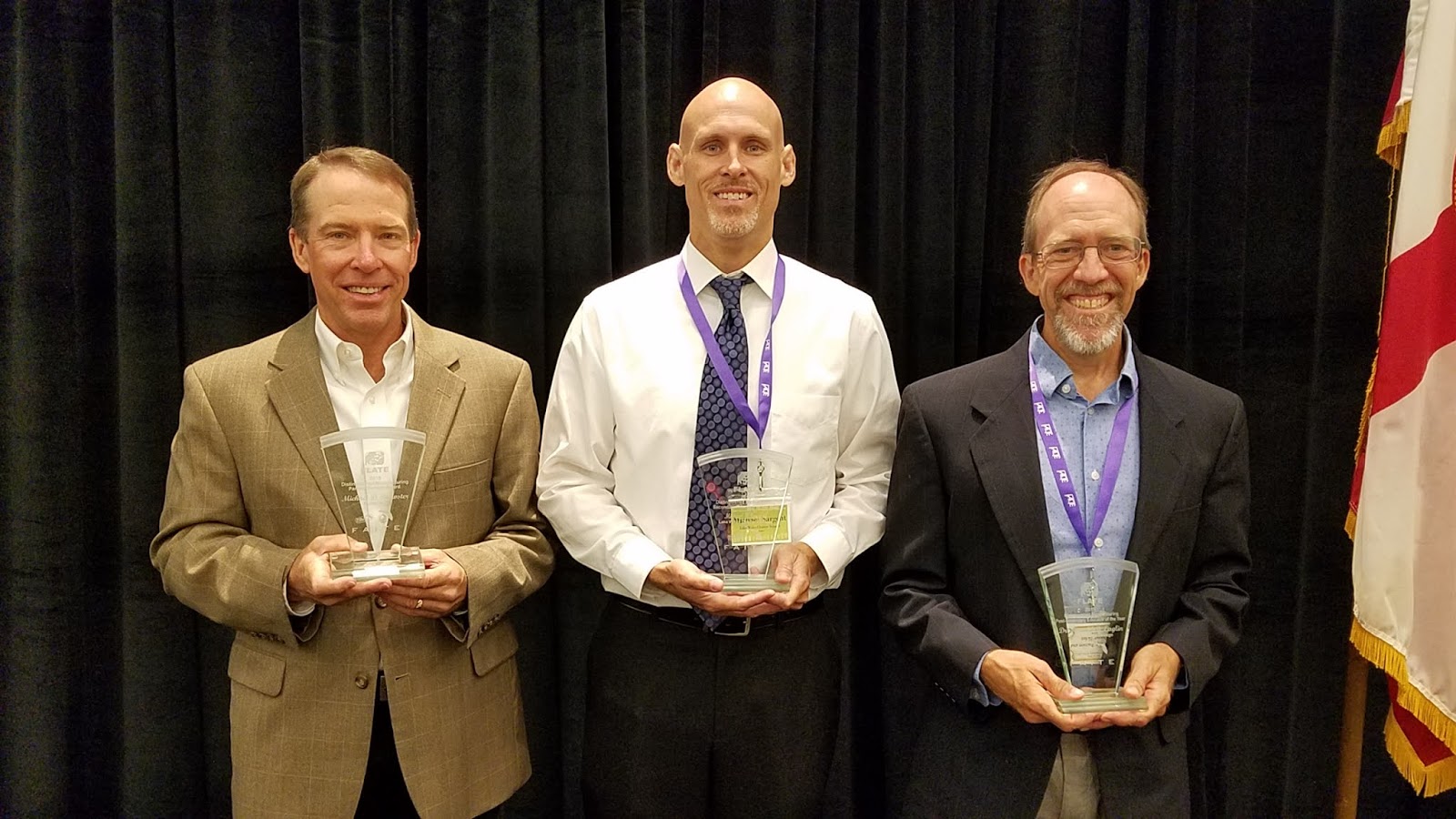
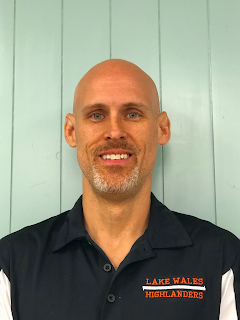 At the secondary education level, Michael J. Sargent, an engineering instructor at Lake Wales Charter School will receive the 2019 FLATE Manufacturing Secondary Educator-of-the-Year Award. Originally from upstate New York, Sargent started his foray into the world of manufacturing as a mathematics and engineering teacher for Polk County Schools (PCS). While working for PCS he became the first authorized MSSC instructor for Polk County high schools. At the time Sargent was tasked with creating Florida’s first nationally accredited manufacturing engineering high school program and related outreach initiatives through the National Career Academy Coalition. As a result of his efforts 44 high school students earned the MSSC CPT certification. Sargent believes “education at the high school level is important as it exposes students to the diversity of jobs and skills needed to succeed.” As a proponent of increasing female awareness and presence in the world of engineering, in 2018 Sargent partnered with the Society of Women Engineers at the University of Central Florida to create a mentoring program for female high school students to receive guidance and connections from female engineering students at the University of Central Florida.
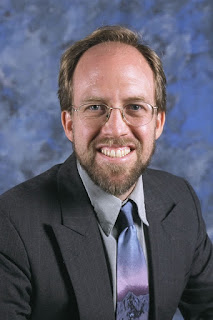 At the post-secondary level, Ronald D. Eaglin, Ph.D., has been nominated for the Distinguished Manufacturing Post-Secondary Educator-of-the-Year Award. Dr. Eaglin currently serves as the professor and Chair of the Department of Engineering and Information Technology at Daytona State College in Daytona, FL. Eaglin has enjoyed a long and illustrious career both as a distinguished educator and an entrepreneur. His academic credentials include a B.S. in Mechanical Engineering from the University of South Carolina where he graduated Magna Cum Laude. He holds an M.S. and a Ph.D. in Environmental Engineering from the University of Central Florida. He also holds a special Honors Degree from South Carolina College. In the academic sphere, Dr. Eaglin has held several esteemed positions serving as the Associate Vice President for the College of Technology and Chair of the Engineering Technology program at Daytona State College (DSC). Prior to joining DSC, Dr. Eaglin was the Chair of the Engineering Technology program and the Assistant Dean for Distributed Learning College of Engineering at the University of Central Florida.
 Brewster’s leadership in the manufacturing arena is rooted in his longstanding commitment to world-class talent development in the manufacturing workforce. For Brewster it is all about the people, the faces and forces behind the world of manufacturing. He believes “a manufacturing company will only go as far as its employee talent pool will carry it.” Brewster states job satisfaction in manufacturing comes from leadership commitment to learning and opportunities for formal training for all employees to reach their full potential.
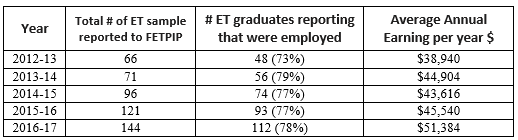
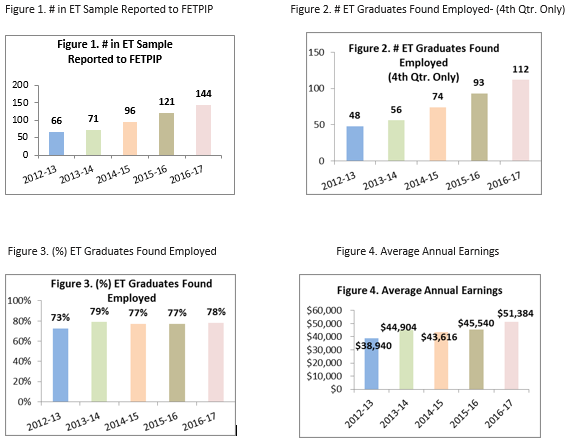
 FLATE uses the Florida Education and Training Placement Information Program (FETPIP) data to track employment of engineering technology (ET) grads and to learn about their earning outcomes.