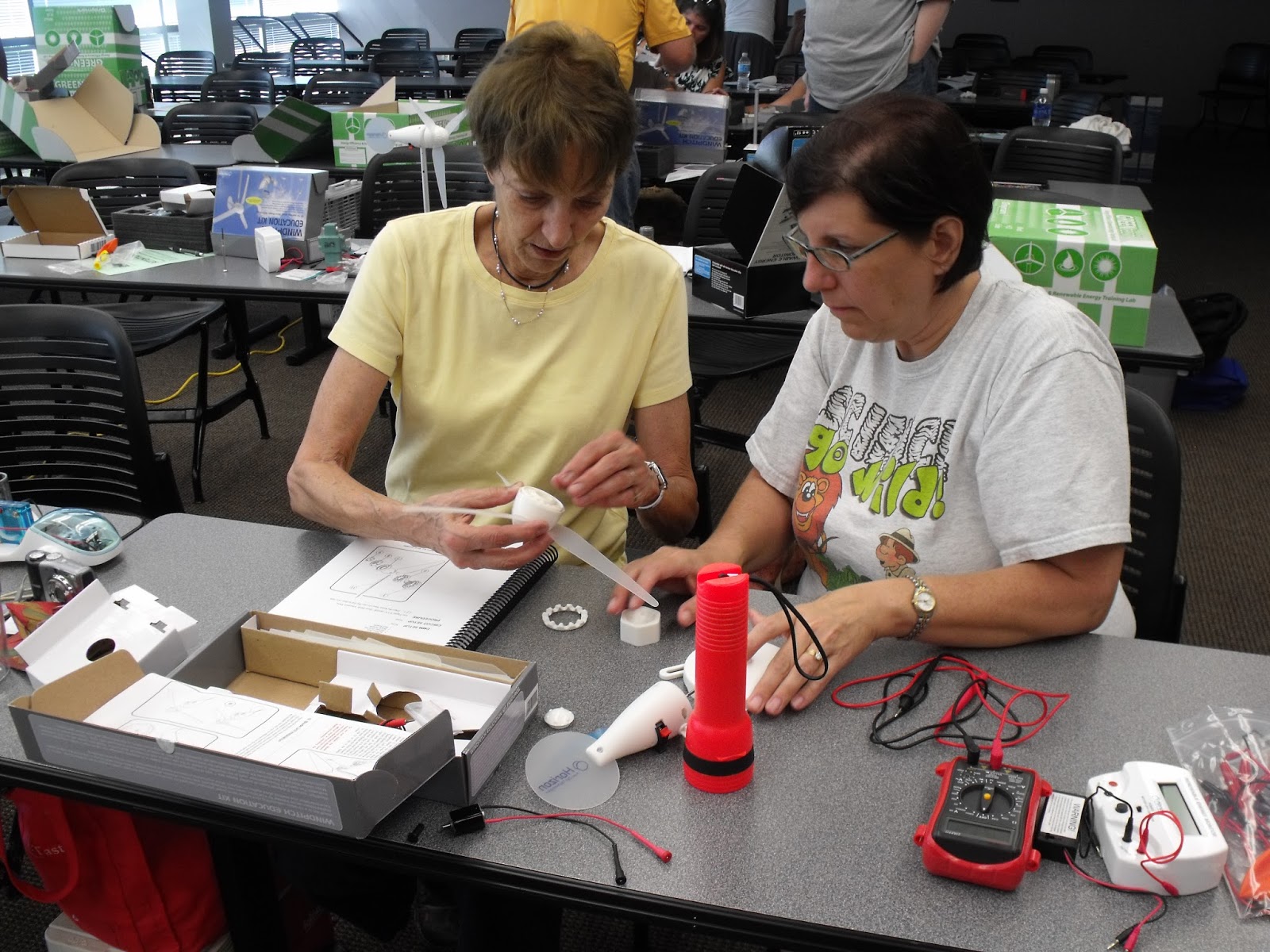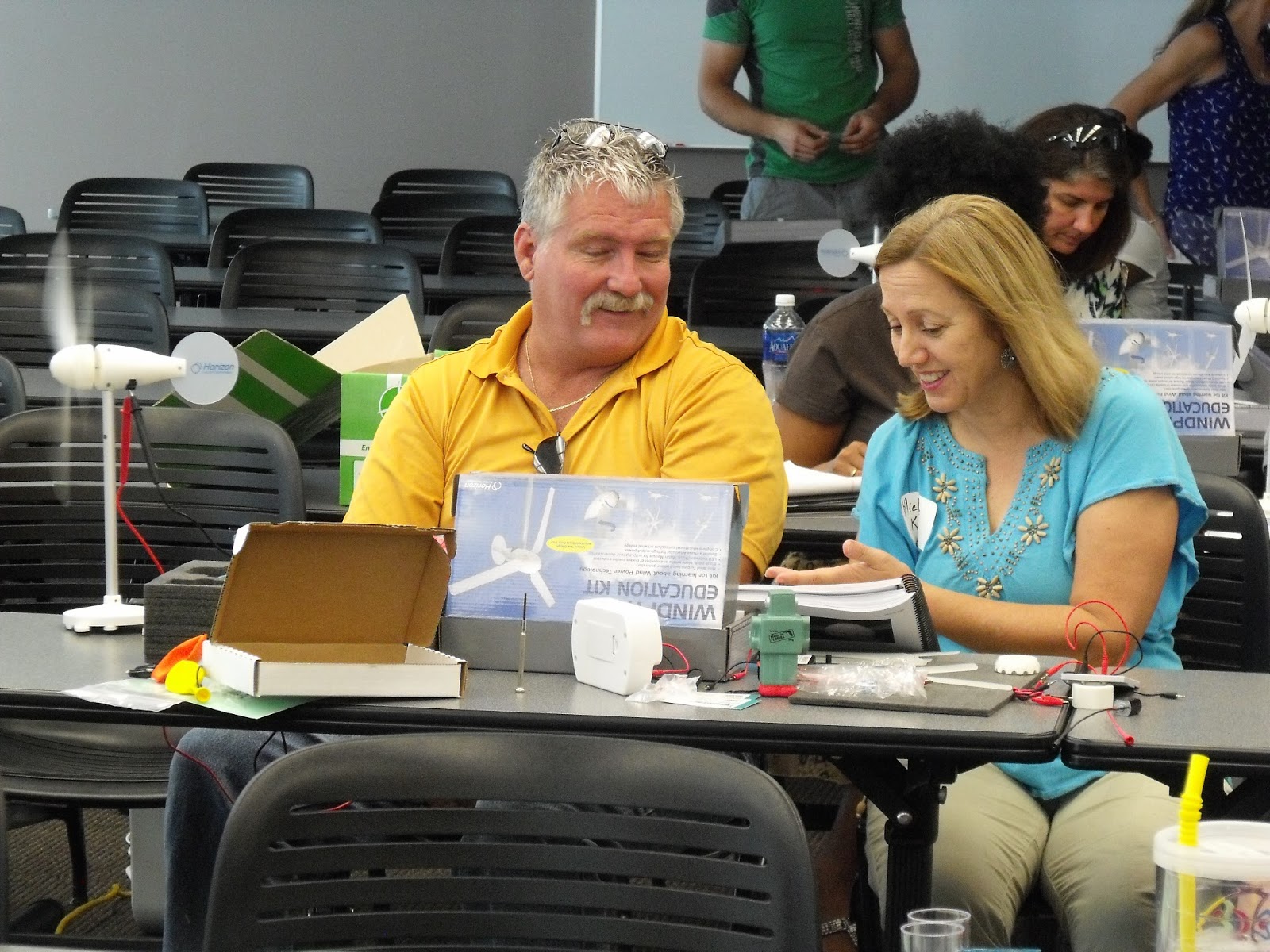
energy monitoring (REM) exercises, powering motors with solar panels, assembling and testing wind turbines, hydro fuel cells, and battery powered water electrolysis. Teachers were busy in teams of two building, testing, and optimizing performance of solar panels, windmills, and hydro cars. Teachers commented throughout the day that it was very useful to be able to touch the materials and build for themselves the same items that students using the Kit would be learning about, “being able to use the GREENtech Kit was very valuable [since] I was able to see the extension of activities.” STEM teachers (and those who wanted to integrate STEM into mainstream curriculum) ranged from elementary to high school levels, but all (100%) of teachers attending the camp agreed that the GREENtech Kit was a highlight for this year’s camp and that they learned something new in the area of green technologies that they would be able to use in the classroom.
both. The GREENtech Kit can be used as standalone modules or as a complete course. As they use the Kit and perform the activities, students will perform a variety of energy efficiency, renewable energy, and electricity exercises. As they learn the concepts behind each new theory, students have the ability to experience the theory first-hand through hands-on exercises through the Kit contents. The instructor’s guide comes complete with powerpoint presentations, knowledge and skill objectives with thought questions, reproducible worksheets, tips, illustrations, tables, “test” questions, answer keys, and much more. The Kit is versatile too, and includes the Renewable Fuels DVD which can be segmented and shown with each unit. After completing all units contained in the GREENtech Kit, the intention is that students will have an entry level knowledge working with basic electrical circuits, solar energy products, wind energy equipment, and fuel cells. The Kit helps prepare students to start thinking about green jobs as well as providing new skills, and the opportunity to practice those skills in a hands-on, high tech, fun and engaging learning environment.
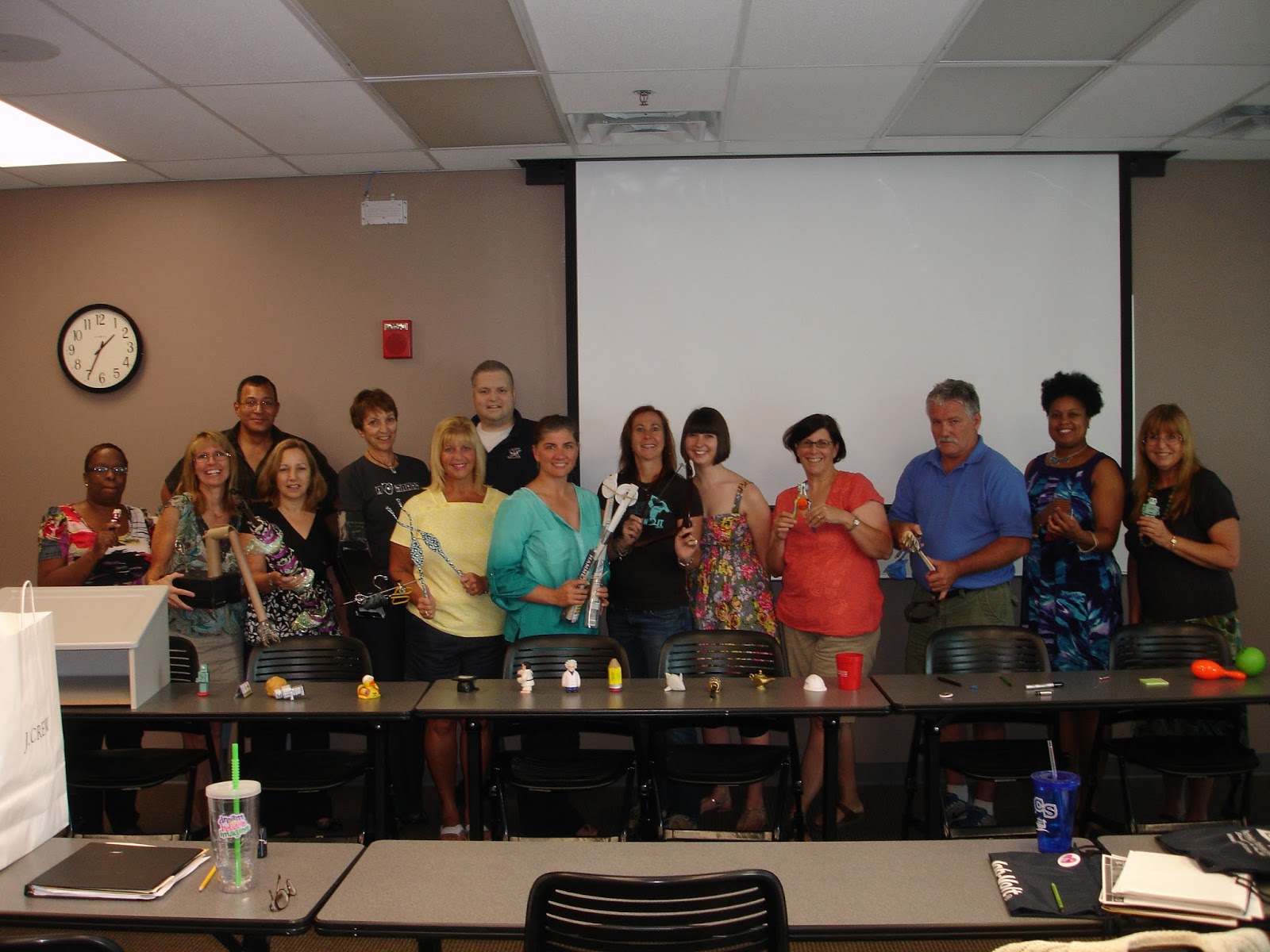
enjoyed the GREENtech Kit during FLATE’s unique “Summer Camp Style” professional development workshop developed by FLATE’s associate director, Dr. Marie Boyette: “Remember how much fun you had at camp as a kid? Our hands-on, high interactivity activities bring that back for teachers, and provide fun that is ready to travel back to the classroom to hook kids on STEM.” According to surveys of the camp, the contacts, networking, and interactivity were reported to be of high importance to participants. “Campers” also enjoyed one of FLATE’s complete lessons in Metrology taught by Danielly Orozco-Cole, FLATE’s curriculum coordinator, packed their folders full of resources from FLATE’s wiki www.flate.pbwiki.com and finished off the camp with a lively competition using robot arms made from “found” objects.
Last month we brought you a story about the PathTECH grant and its role in examining career pathways of students in engineering technology. This month we will take a step further in the same direction and take a closer look at some of the research methodologies and findings of the PathTECH team. As a recap, Successful Academic and Employment Pathways in Advanced Technologies, or PathTech, is part of the National Science Foundation’s (NSF) Advanced Technological Education (ATE) program committed to support/fund community college programs that boost technician education across the nation. The grant targets high school and community college programs, and is devoted to researching pathways into technician education programs, gauge effectiveness of these programs, analyze outcomes of these targeted programs, and answer some of the questions that germinate from the ATE projects.
quantitative research component. The qualitative research represents an inductive approach whereby researchers are trying to build an understanding of a particular social experience. Lakshmi Jayaram, lead qualitative investigator for the PathTech grant and Sociology research assistant professor at USF, describes the qualitative component “as an attempt to gain an in-depth understanding of what the pathways (into engineering technology) are, and social experiences connected to each of those pathways.” The PathTech team is currently conducting a series of interviews with high school and community college students, faculty and administrators at HCC, SPC, PSC and SCF as well as industry personnel and employers from Hillsborough, Pinellas, Polk and Sarasota-Manatee counties who are involved in engineering technology related career academies/CTE programs. Through the interviews, “we hope to construct a rich and in-depth understanding of what these pathways from education to occupation in the engineering technology field look like” Jayaram said.
interviewees. In terms of high school students, it shows they are either interested in pursuing a four year college degree, or contemplating on attending community colleges that offer co-op programs with local industries, or are interested in directly entering the workforce. Preliminary data from interviewing community college students suggests most are older students in their 30s, 40s, or 50s, are already working in ET related fields, and are either taking courses to add to their skills set, expand their responsibilities at work, or gain higher wages.
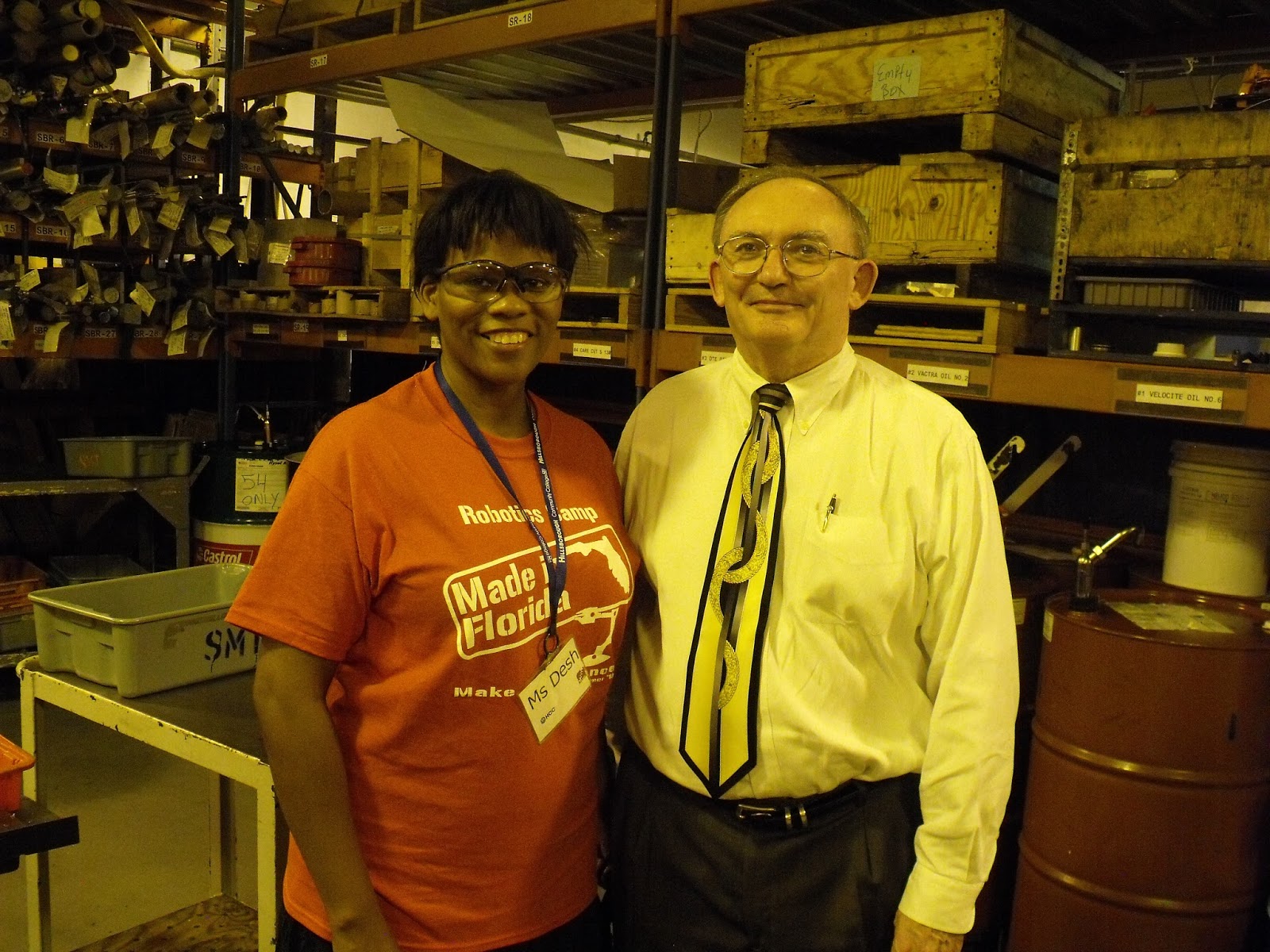
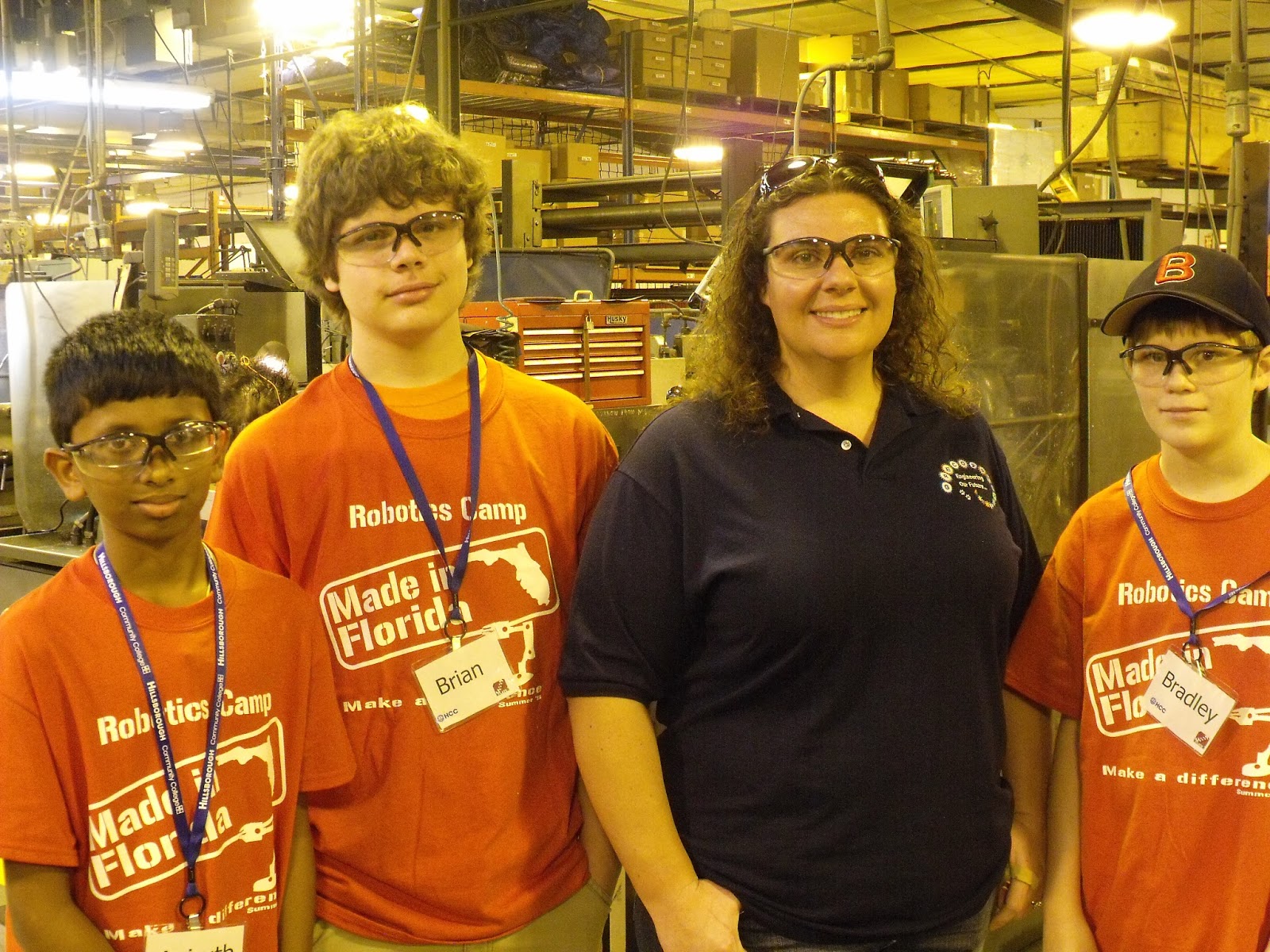
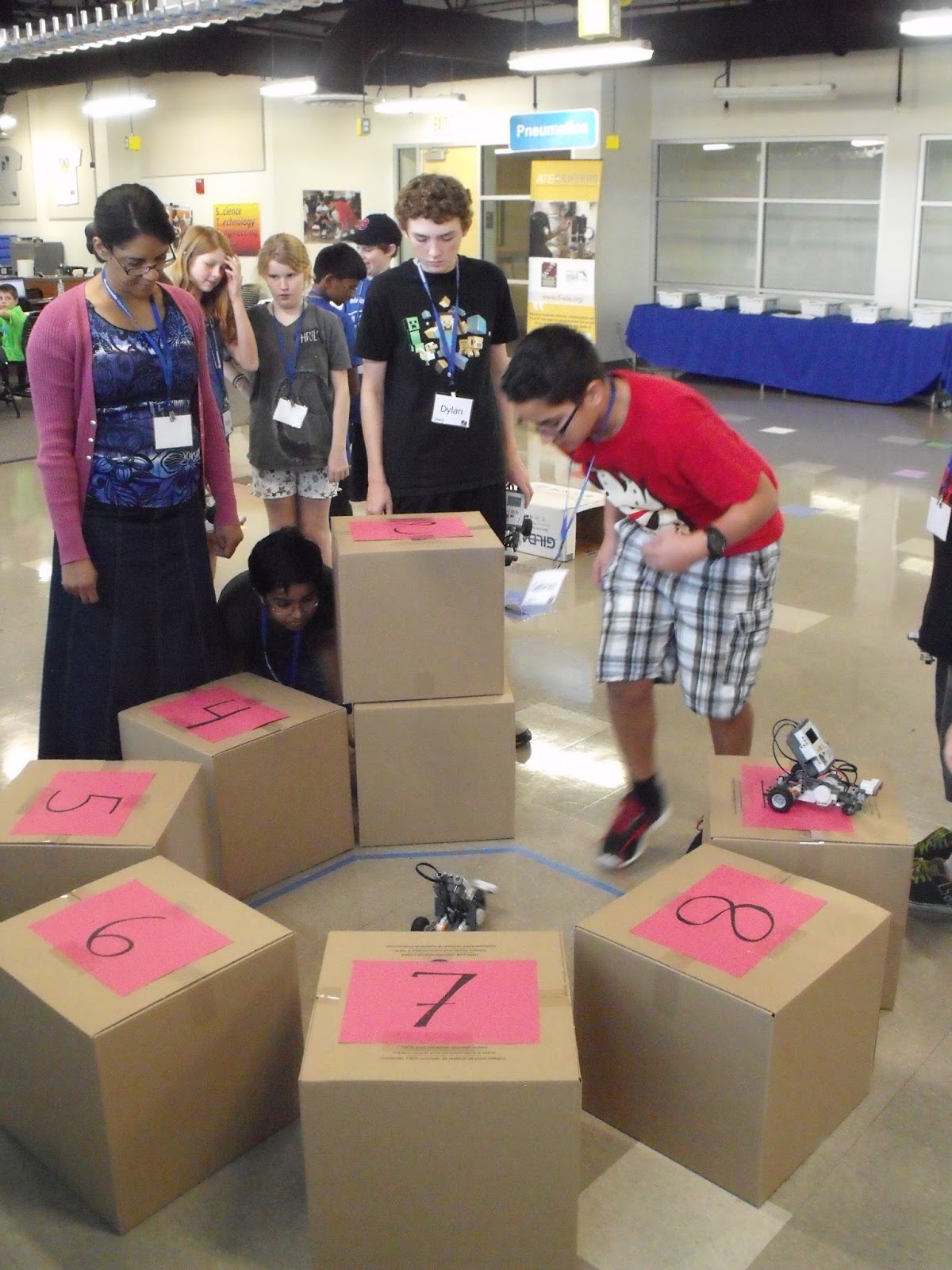
FLATE’s outreach manager. Desh brought a fresh dimension by injecting her passion/knowledge for computers and robotics into this year’s camp/challenges. Bagley also developed a new format for the high school camp that was very well received by instructors, campers, and parents alike. “Coordinating the FLATE robotics camps is always a rewarding experience” said Bagley. “Seeing campers grasp new concepts and then apply those concepts to solve real-world problems is very satisfying for me.”
heads the Florida West Coast (FWC) BEST (Boosting Engineering, Science, and Technology) initiative at Hillsborough Community College (HCC) in Brandon. As part of this partnership with FLATE, Ken served as the instructor and content developer for one of the high school camp challenge that was focused on learning how to use Arduino Uno Microprocessors and building digital systems. To help with teaching the curriculum, Fiallos also brought volunteers from IEEE. Dr. Alessandro Anzalone, program manager and instructor for the engineering technology program at HCC-Brandon was also another key player. Dr. Anzalone, trained Bagley on the 3D printer software, and trained Mercedes Heredia, 2013 camp assistant on the chemical bath for support removal. Anzalone also helped set-up the 3D printers, and gave a presentation to high school students highlighting the two year A.S. degree in engineering technology currently offered at HCC and 14 state and community colleges across Florida.
standing relationship with FLATE as lead instructors. Dyer has been the instructor since the inception of the camps in 2006, while Heli has primarily served as the instructor for the All Girls robotics camp since 2010. “Technology affords teachers a more hands-off approach, and makes way for greater self-exploration and problem-based learning for students” says Dyer. Heli and Dyer both agree their engagement with the camp has given them a chance to exercise a more “advisory role” in guiding campers and sharpening their problem-solving skills.
Vilasmil’s expertise working with NAO humanoid robots gave him an edge in developing curriculum and challenges for three NAO-related lessons for the high school robotics camp. Vilasmil, a Ph.D. student at the University of South Florida (USF) in Tampa, was also involved in FLATE’s robotics open house in May 2013 where he gave a demonstrations of the NAO robot to students and parents. Vilasmil’s ivolvement with the camp not only benefitted students, but expanded his own understanding of NAO robots and configuring algorithms and timelines.
and state-wide businesses, industries and professional organizations are encouraged to take an active role in assisting FLATE in a variety of ways. To that end, FLATE has a compiled a list of resources and best practice guides for partners who wish to undertake outreach to students in their local/regional communities. You can access these resources at the Made in Florida website, or contact Dr. Marilyn Barger at barger@fl-ate.org.
home to some of the most trusted names in the manufacturing industry. Leaders like Tropicana play an important role in enhancing the fabric of local communities. Tropicana, owned by PepsiCo Inc., is an American multinational company and considered a global leader in the production and marketing of branded fruit juices (Source: www.tropicana.com). As part of this commitment, the company owns several initiatives reinforcing its role as a responsible corporate citizen.
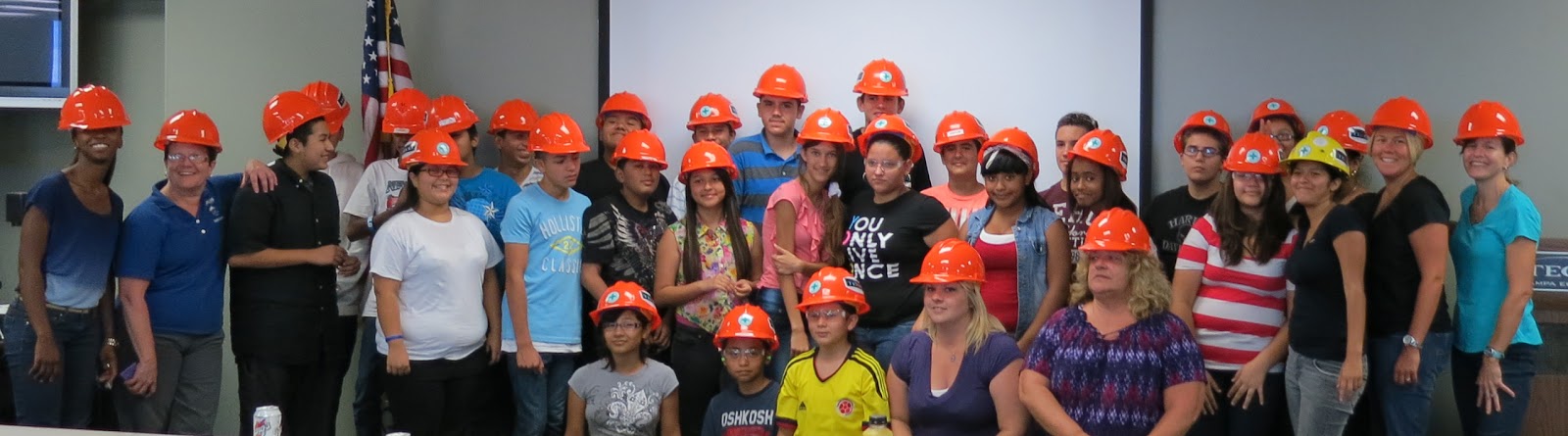
initiative established in 2011 by the PepsiCo Mosaic Employee Resource Group (ERG), a predominantly African-American ERG at Tropicana’s Bradenton, Florida site. Lillian Elliott, director for Supply Chain Quality & Organization Capability, says “the ERG group represents PepsiCo’s strategic initiative to foster growth and development of the local community.” Over the course of two years, the Academy has made significant strides in impacting high school students in the community. Each year 12 sophomore students are enrolled in the Academy and in May 2013 the first class of ten juniors completed their first year. The second class of 12 was inducted in April 2013.
throughout the academic year helping students prepare for graduation and continuing their education. From basic social skills such as shaking hands and introductions to writing college application essays, setting goals, imbibing professional etiquette, developing presentation skills and applying for scholarships, students develop a better understanding of what’s required to be successful. In addition to its partnership with Palmetto High School, the PepsiCo Mosaic ERG also provides a six-week summer mentorship program for students ages 11-15 at the 13th Avenue Community Center in Bradenton. The program has been in effect for the past 14 years.
entrepreneurship to roles in manufacturing, health and wellness and financial responsibility. Senior executives provide coaching in project management, strategic planning and presentation skills. During the program, students are given the opportunity to compete in an environment reflective of a realistic business. At the conclusion, students present business results to mentors, senior leadership and ERG Leaders. A winning team is selected based on product sales, weekly presentations and adherence to program requirements.
The 13th Ave Community Center director has identified this program as a best practice. “We will continue to do what we are doing, to meet the need of the students” Elliott said. The student’s return rate for participation is 70% with some students enrolled in the program for as long as five years. For more information on Tropicana’s Mosaic Academy visit www.tropicana.com or contact Lillian Elliot, Director Supply Chain Quality at Tropicana at lillian.j.elliott@pepsico.com.
Via Individual Determination) Excel program, consisting of first generation college-bound, English language learners. This year marked the first year, two schools participated in the camp, with Pierce Middle School bussing in students daily from Tampa to join Beth Shields Elementary students who have been attending since the camp first started in 2011. This year’s camp schedule was abbreviated to avoid issues with bussing and student transportation and to eliminate attendance problems experienced in previous years. Two AVID teachers from each school also attended with the students daily.
This year’s new camp instructor, Kyla DonLevy, (currently an environmental sciences and AP biology teacher at Durant High School), brought her enthusiasm and obvious love for STEM subjects to the camp and had a great rapport with students. Kyla has made a full-circle FLATE journey as she participated in one of FLATE’s professional development workshops focused on renewable energy two years ago at the South Shore Campus and this year returned as a camp instructor!
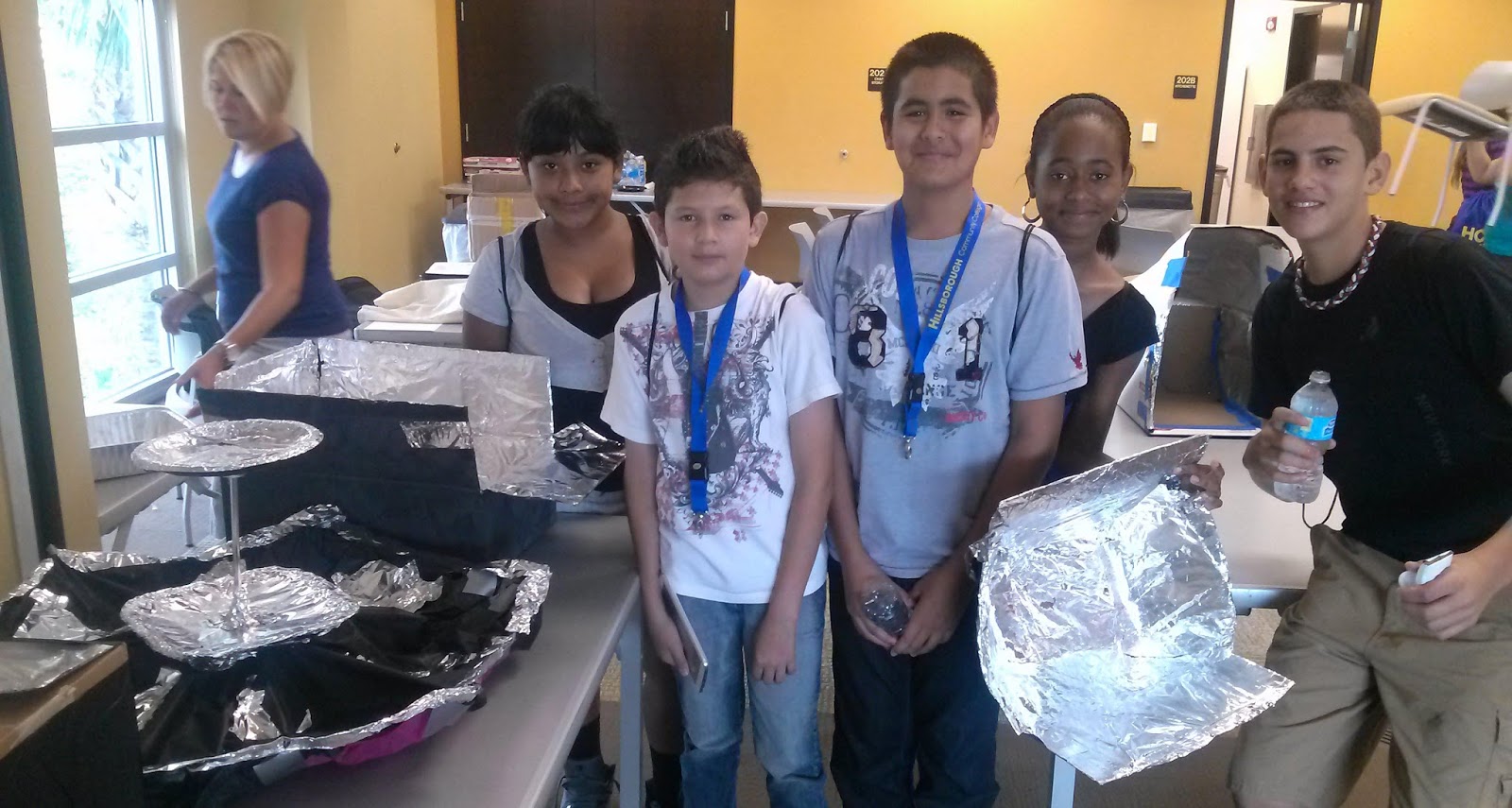
The amazing activities the students participated in this year included making solar stills and
solar cookers (unfortunately the sun didn’t cooperate but we still managed to make s’mores and some partially cooked pizza rolls!), charging student cell phones with solar panels, mining for fossil fuels, and learning about hydropower and wind power. On the second day of camp TECO hosted students for an incredible tour providing them with the opportunity to get a close-up look at the power plant that is right in their back yard.
On the final day of camp, students raced hydrogen-fueled cars and were given a fabulous “Green” tour by Shiela McCants, student services manager. Hillsborough Community College’s SouthShore campus is LEED (Leadership in Energy and Environmental Design) silver-certified by the USGBC (U.S. Green Building Council), and boasts an earth-friendly, energy-conscious functionality incorporating a number of sustainable features. These include solar panels, a rainwater recycling process, maximum use of natural light and a raised-floor HVAC system that provides greater efficiencies for cooling. It was great to be able to show students that HCC is practicing what it preaches!
Students’ feedback from the final camp survey illustrated strongly how much they learned
about energy while at the same time having fun. Student comments included, “The experiments we did were a magnificent experience for an 8th grader, ‘We got to be creative and at the same time learn something, ‘The thing I like about energy is we do these awesome projects of energy.” One hundred percent of the students said they learned new things about energy and 95% stated that they felt the camp would help them making future career choices with over half saying that they would consider a career in clean energy.
Teachers’ comments included, “I really liked the hands on activity for each day. It got the kids very involved and kept them interested all the way through,” “I really liked the hands on activity for each day. It got the kids very involved and kept them interested all the way through”. FLATE hopes to offer the energy camp again next summer with the possibility of adding a high school version in Plant City.
For more information on the camp and curriculum, and/or education and training materials related to alternative/renewable energy technologies visit www.fl-ate.org and www.madeinflorida.org. You can also contact Nina Stokes, project manager for FESC at stokes@fl-ate.org.
College enrollment trends in the U.S. indicate that there is a significant drop in students enrolling in engineering, science and technology related fields. Research indicates that students perceive these fields as too difficult and involves extensive course studies. In the Greater Tampa Bay Area our RAS Chapter estimates that less than 1% of the High School Students participate in Robotics Education.
that are registered by the Department of Labor and operated by an industry, a professional organization, a college, or technical school, or a union. The basic model for most apprenticeships is that the apprentice works half of a day and attends classes the second half and are employees of a company. Generally they are about four years long (but defined by a number of hours), and progress in a defined sequence of work and classes. Additionally, some articulate for credit towards a two-year associate degree.
This month, we will tackle a much less defined student work experience: the internship. Last month, I said that these experiences could be paid, or unpaid. However, a recent ruling by a district court in the Midwest said that the interns (plaintiffs) in question should be paid. The proceedings highlighted when “unpaid” interns are legal. Six criteria from the U.S. Department of Labor Wage and Hour Division capture the essence of any internship experience, despite focusing on the unpaid variety.
programs that are of interest to them. They can influence the curriculum of the programs as well as provide mentorship to the teacher, and/or professors, and help mold the experience of their future workforce. This in and of itself can be extremely valuable to any company that regularly hires young people to fill the ranks of their workforce. Additionally, the employer and student both get to “try out” the working arrangement and determine if there is a good fit. All of this, with no obligation from either party.
Educational choices and professional trajectories of students and incumbent workers are widely varied and open ended. Some are dictated by interest and aptitude, lure of a lucrative opportunity, while others are rooted in individuals’ quest for professional growth. To delve into the matter, and assist in a regional research initiative, FLATE, the National Science Foundation Center of Excellence at Hillsborough Community College in Brandon, has partnered with researchers at the University of South Florida’s department of sociology, anthropology and college of education to conduct research aimed at analyzing high school and community college students enrolled in engineering technology degrees and the reasoning(s) behind their chosen field of study.
National Science Foundation’s (NSF) Advanced Technological Education (ATE) program committed to support/fund community college programs that boost technician education across the nation. The grant targets high school and community college programs, and is devoted to researching pathways into technician education programs, gauge effectiveness of these programs, analyze outcomes of these targeted programs, and answer some of the questions that germinate from the ATE projects. Will Tyson, P.I. & associate professor of sociology at USF says the PathTech initiative is targeted to better equip local community colleges with information, not just academic, but personal experiences that lead students into enrolling in Engineering Technology (ET) programs and/or related courses, and possibly make recommendations on how community colleges can serve these audiences.
beginning of enduring partnerships in the Tampa bay area. PathTech represents a collaborative effort between several educational institutions in the region. Project partners include FLATE, Hillsborough Community College, University of South Florida, St. Petersburg College, Polk State College and the State College of Florida. “Our project partners have been extremely helpful in terms of helping us navigate the landscape of what are engineering technology programs, and defining ET students” Tyson said.
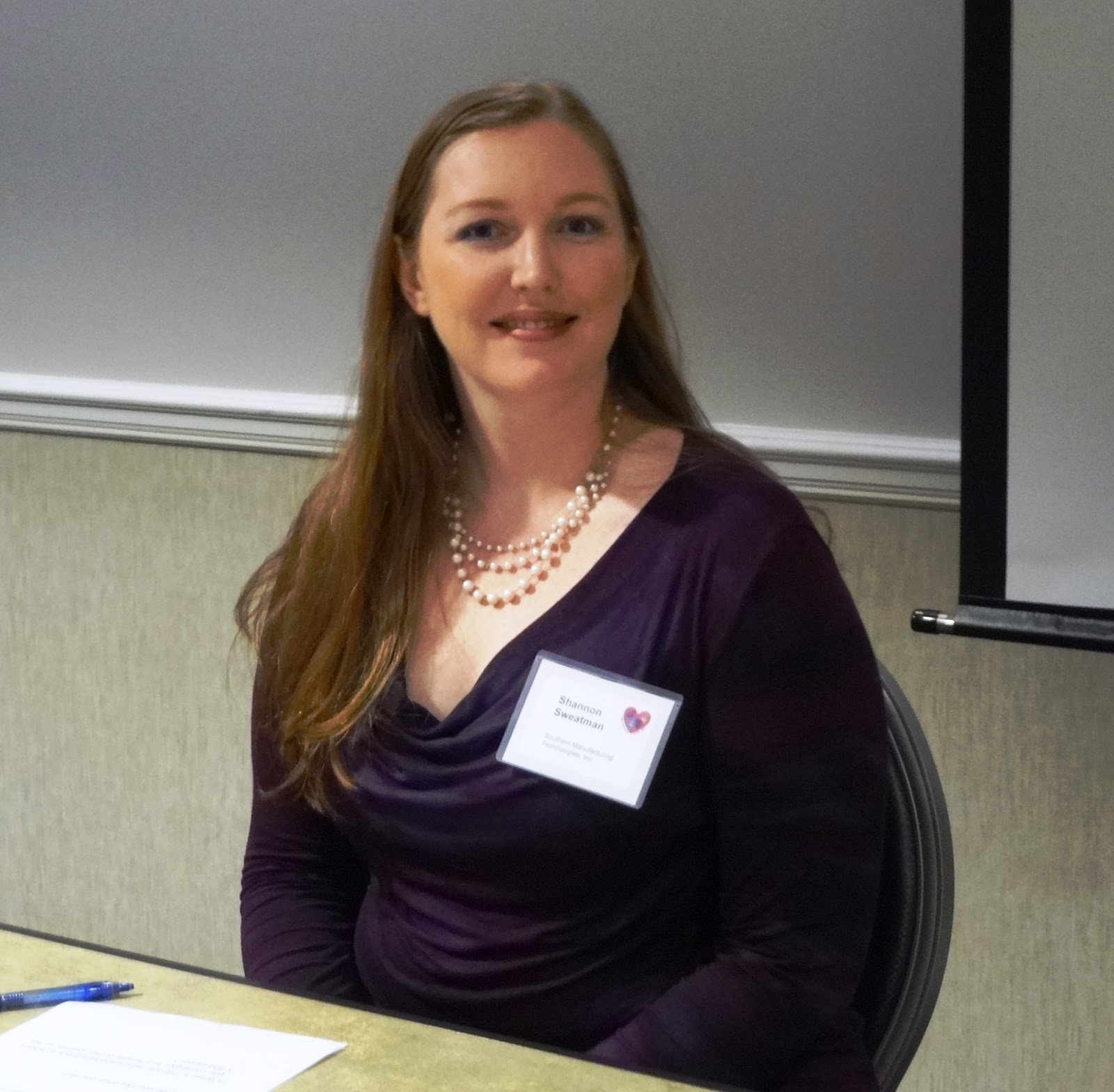
not a one size-fits-all solution. While aptitude in STEM based subjects are not defined, or guided by gender, the percentage of women engaged and/or employed in STEM based fields still remains low. “There is a huge lack of people in these fields” especially in terms of entering careers in manufacturing specifically machining, precision machining, said Shannon Sweatman, director of human resources at Southern Manufacturing Technologies in Tampa. “Young women do face more challenges in coming into STEM fields’ than their male counterparts” said Kim Moore, assistant principal at Middleton Magnet High School in Tampa. Linda Austin, program manager for Tri-Regional Information Technology, a National Science Foundation (NSF)-funded grant program at Florida State College in Jacksonville says underutilizing women in STEM would amount to not maximizing potential of all people.
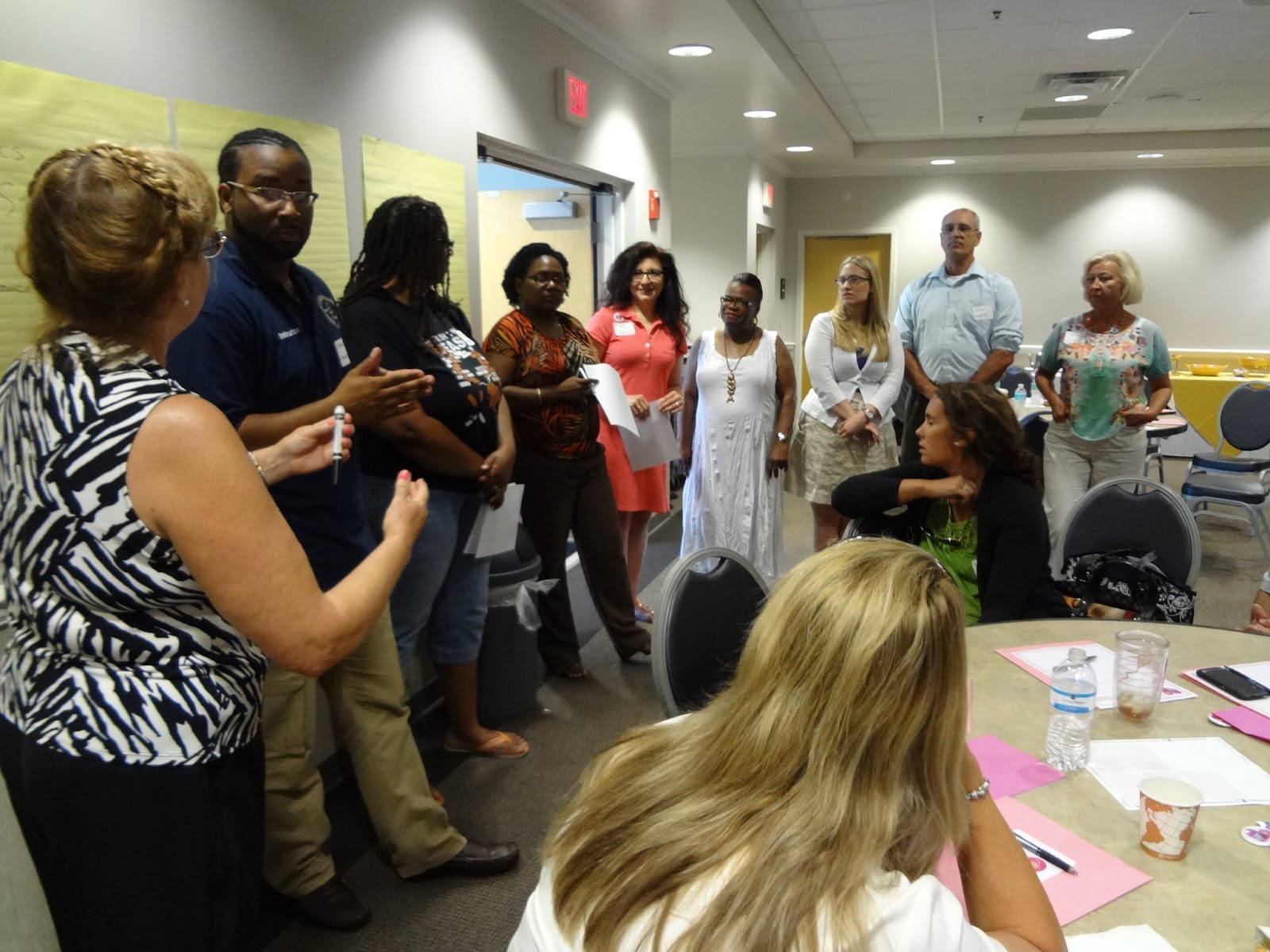
counties attended the one day workshop which was held at Hillsborough Community College in Brandon. During the workshop, participants interacted with a panel of STEM experts, explored STEM based resources, and engaged in the development of strategic STEM based curriculum materials. “Reflection is always an important part of growth” said Moore. “Having these discussions and listening to different viewpoints and perspectives will help in everyday decision making process in my role as an administrator” Moore said.
have addressed in their daily curriculum and instruction agendas. Jeff Kaloostin, aerospace technology teacher at Robinson High School in Tampa admits he did not know, other than learning how to recruit girls in STEM, what to expect from the workshop. His perspectives were altered. In that the workshop reinforced Kaloostin’s belief in challenging female students to “feel that they can do the same courses” and excel in them “just like the guys.” Discussions with other teachers and panelists also gave him new ideas on topics that he could potentially discuss with middle school students in general. “I’m going to take a few girls with me to the middle schools that feed Robinson High School, and have them talk to the classes there about being in the Aerospace program at Robinson” Kaloostin said.
impact on educators across the board, Moore applauds the efforts of regional partners like FLATE, Bay Area Manufacturers Association and SMT in giving educators exposure to what is happening in industry, and helping them incorporate those experiences and ideas back into the classroom. In keeping with Moore’s sentiments, a post workshop survey shows over 60% of participants agreed, or strongly agreed that the workshop helped them learn about strategies for engaging girls in STEM. The same percentage of participants also agreed, or strongly agreed that they became more familiar with available STEM resources for recruiting and engaging girls in STEM, and more familiar with challenges associated with recruitment and retention of girls in STEM.
Terms of Use | Privacy Statement