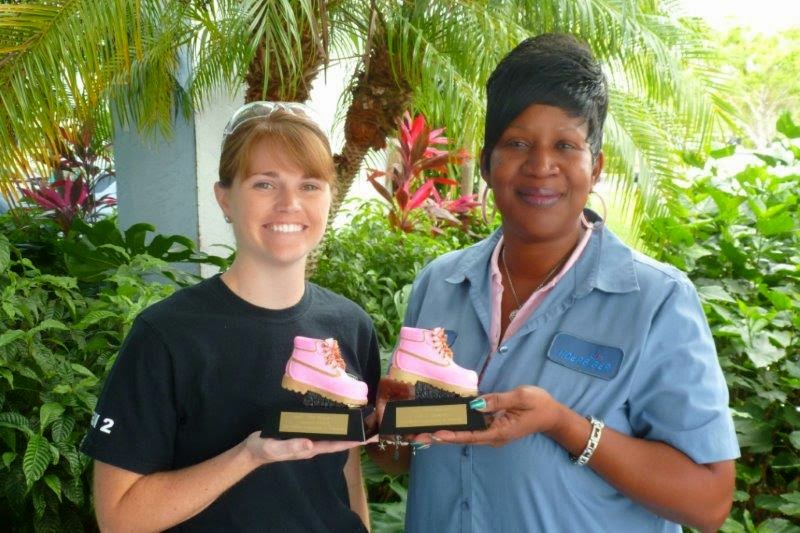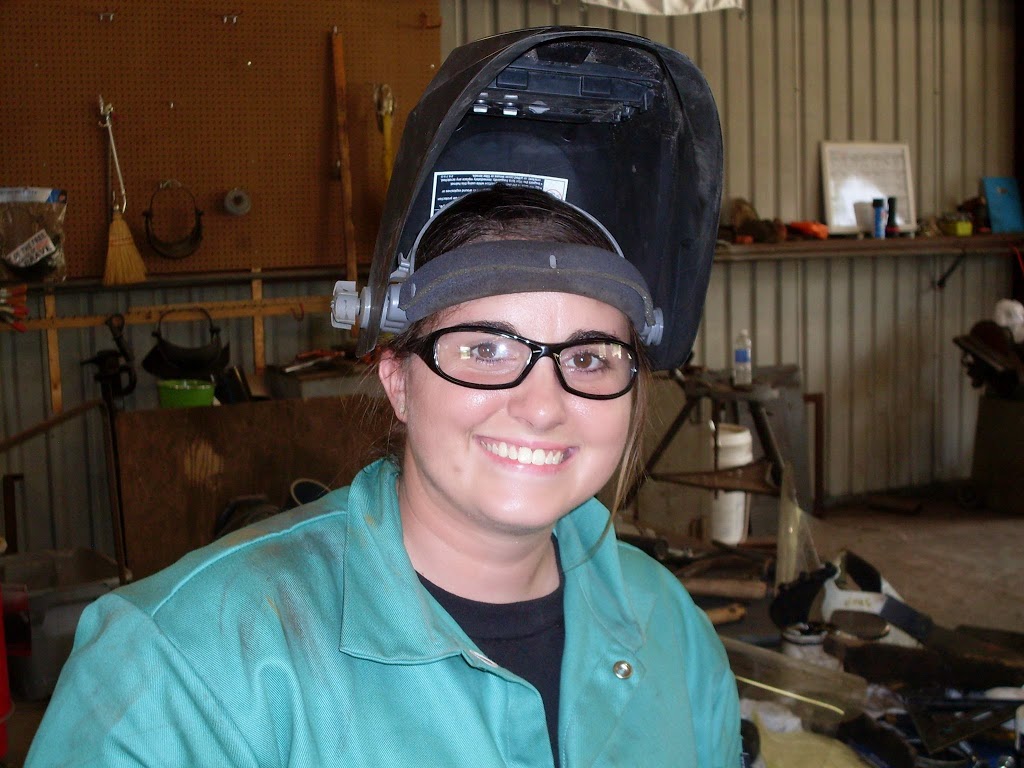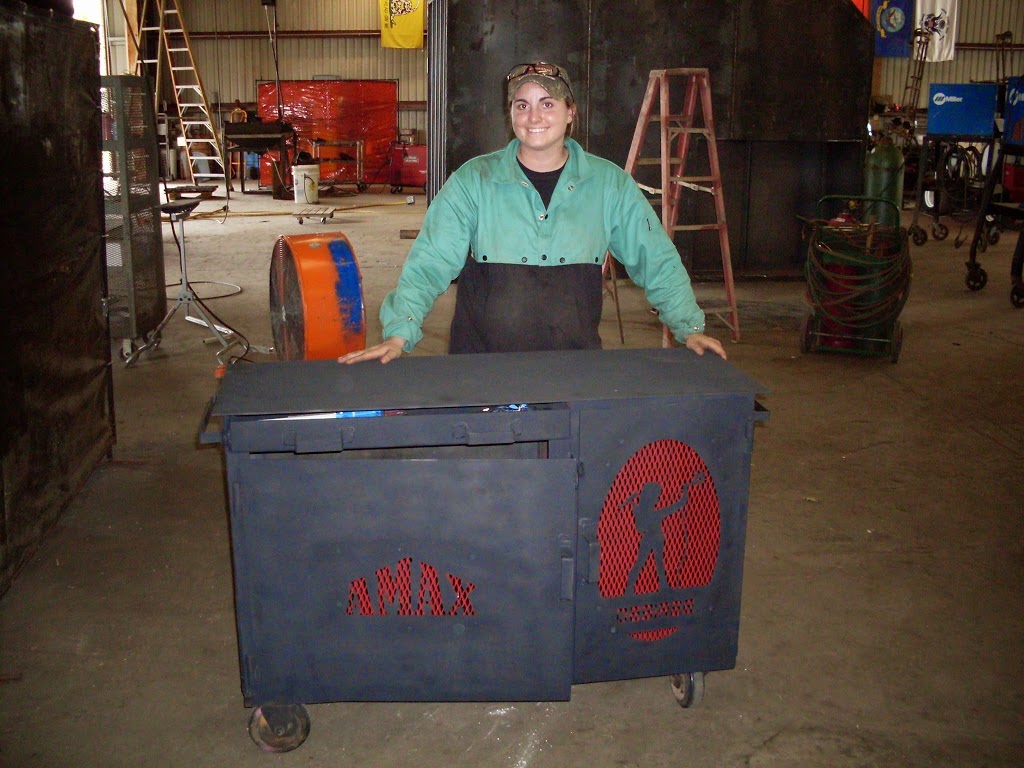
mechanic hired by Cemex a global company in Brooksville, FL with its parent company in Mexico. Working on machines may sound tough, but Desiree enjoys it all. “I do not see what I do as a man’s or a woman’s work; it’s more about doing what you enjoy” Harmon said. Her success is rooted in her passion and reinforced through formal education and training at Withlacoochee Techcnical Institute in Inverness, FL.
Harmon recently graduated from the Industrial Machinery Maintenance & Repair (IMMR) program at WTI, and is the first female student who successfully completed the program. The IMMR program according to Larry Hensley, instructor for IMMR program at WTI is “based on local workforce needs and caters to local power, chemical and industrial plants in the region.” He says the overarching goal is to prepare studens for successful careers in industrial machinery maintenance “where students can reap the benefits of having a trade-based skill.”
Graduates are hired by local power plants through the Millwrights Local 1000 of Tampa. “We have been able to get everyone hired by local power plants with all of our students achieving journeyman status” said Hensley. The average student, according to Hensley, from those who have just graduated to those who have been employed in the field earn an average of $85,000 plus benefits. “I love the work that I do, and I don’t know how I would raise a family if I didn’t have a skilled trade” said Harmon.
Despite great benefits the ratio of women graduating from the program is still very low. With the exception of Harmon, female students, according to Hensley struggle to remain in the program. The biggest impediment for female students, he says, is not only the nature of the job, family related responsibilities, or the number of hours required to graduate, but also a lack of awareness and targeted initiatives to recruit women to these programs/careers. To that end, Harmon is a model student who despite working full time and being a mother of three children has successfully completed the program. “I would recommend any single mothers to take an interest in welding and machining as it is a great way to provide a good life for your family” said Harmon. “You have to remain focused on the job. From there on the possibilities are endless.”
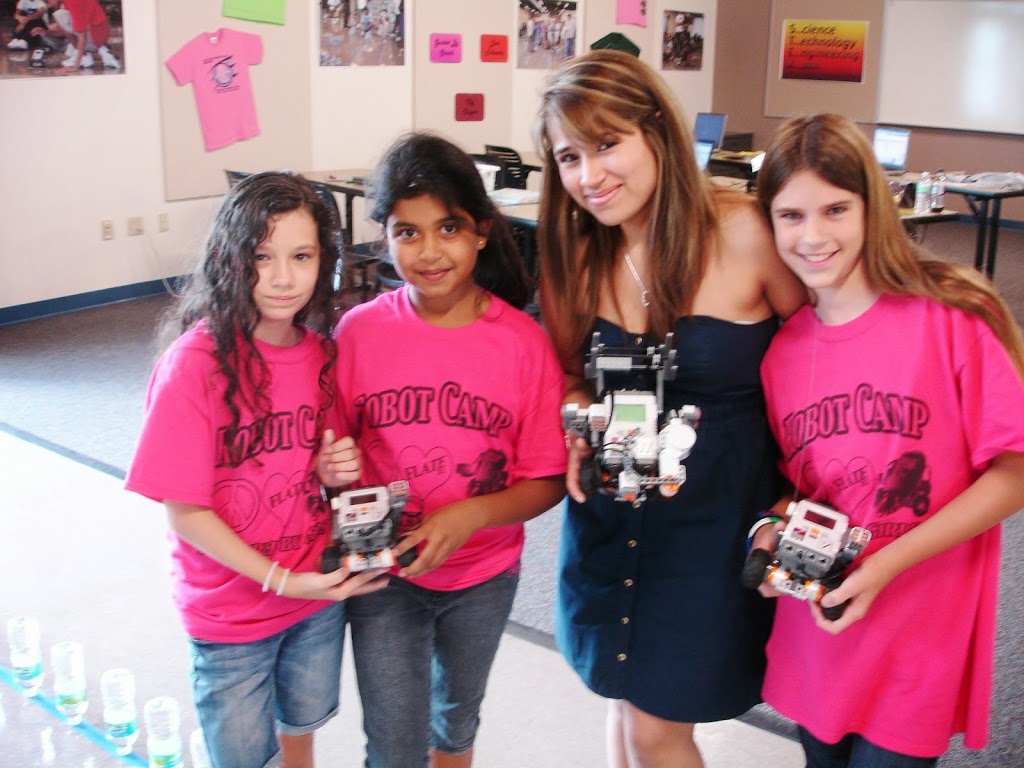
formulating strategic STEM strategies for engaging and retaining girls in STEM. “Women engineers serve as great role models for younger students aspiring to pursue STEM related education and careers” said Dr. Marilyn Barger, executive director of FLATE. Barger’s thoughts are also relayed in an article published in the Journal of Higher Education which carries similar overtones of female role models and mentors as powerful tools in increasing female interest in STEM. Given the need for women mentors and role models, FLATE is partnering with the Ibero-American Science and Technology Education Consortium (ISTEC) to offer a volunteer robotics technologist position for an international student from Santo Tomas University in Bogota, Colombia.
![]() |
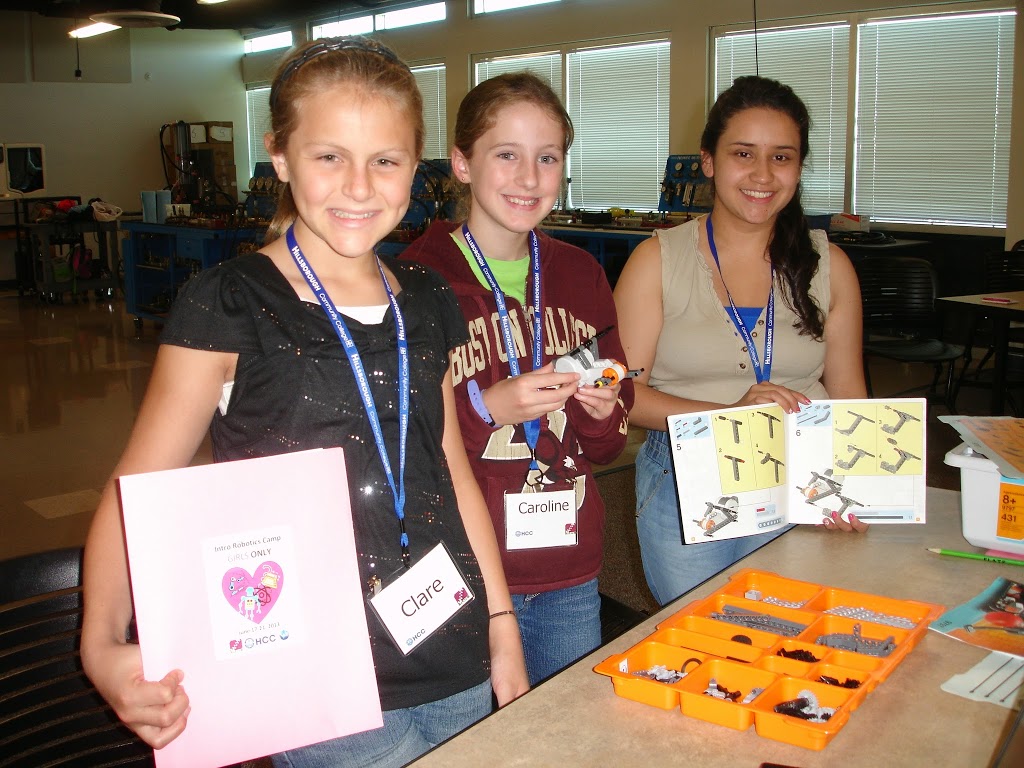
| Ivonne Pinzon who worked in the All Girls Camp in 2012 |
As part of the engineering exchange experience, Sandra Milena Madero Zuluaga will serve as a mentor for campers who will be attending FLATE All Girls Camp (Intro EV3 Camp) in June. Sandra will help trouble shoot problems with robots, the software, and help expand campers’ basic understanding of programming. In addition to the above responsibilities, Sandra will also get a chance to visit the College of Engineering at the University of South Florida. “It is with great honor to have Sandra Milena Madero Zuluaga who is also an ISTEC Member, to contribute to this event, by serving as a role model and spokesperson in the campaign to attract more young women into STEM professions” said Wilfrido Moreno, Ph.D.. Moreno who is the professor and ISTEC R&D directors says “Zuluaga will also bring a rich cross-cultural perspective to this important dialogue.” All expenses for her trip will be covered by the ISTEC chapter at USF.
This is the third year in a row FLATE has partnered with ISTEC to extend this opportunity to an international student. Previous ISTEC students who have volunteered and worked with campers include Diana Vargas Martinez and Ivonne Pinzon, both electrical engineering students at Santo Tomas University. Pinzon and Vargas not only helped expand campers’ knowledge about STEM and programming, but said the experience broadened their own understanding of robotics and improved their proficiency in English.
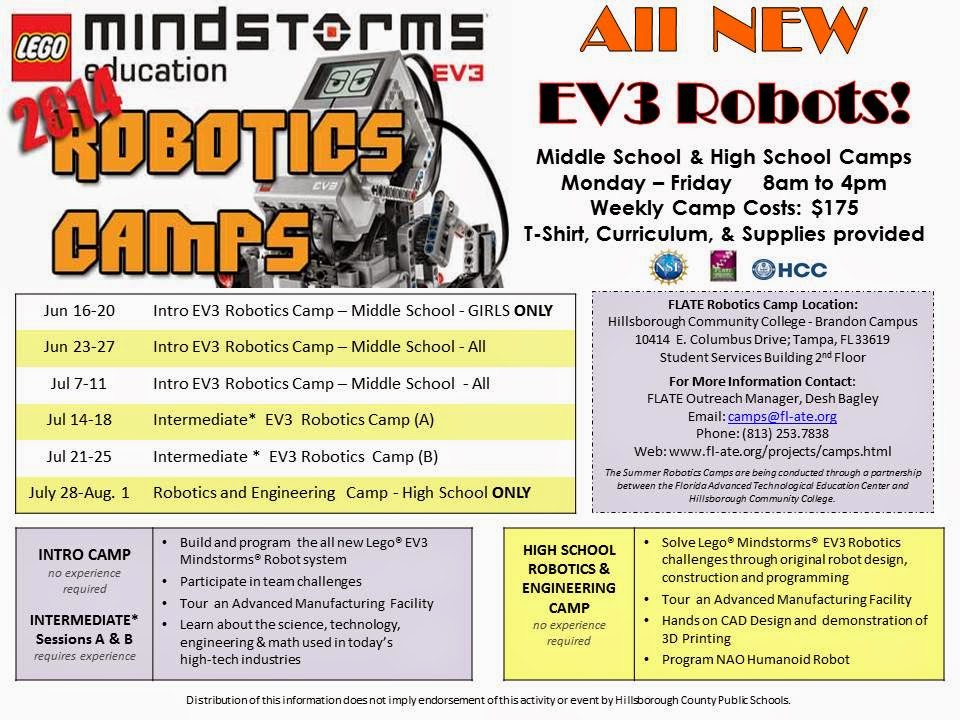
For more informaiton on the ISTEC program contact Dr. Wilfrido Moreno at wmoreno@usf.edu, or visit www.istec.org. To enroll in FLATE’s ALL NEW robotics camps which be offering campers an opportunity to learn/operate the latest and greatest EV3 software, contact Desh Bagley at camps@fl-ate.or, or Dr. Marilyn Barger at barger@fl-ate.org. You can also download the camp forms at www.madeinflorida.org and www.fl-ate.org.
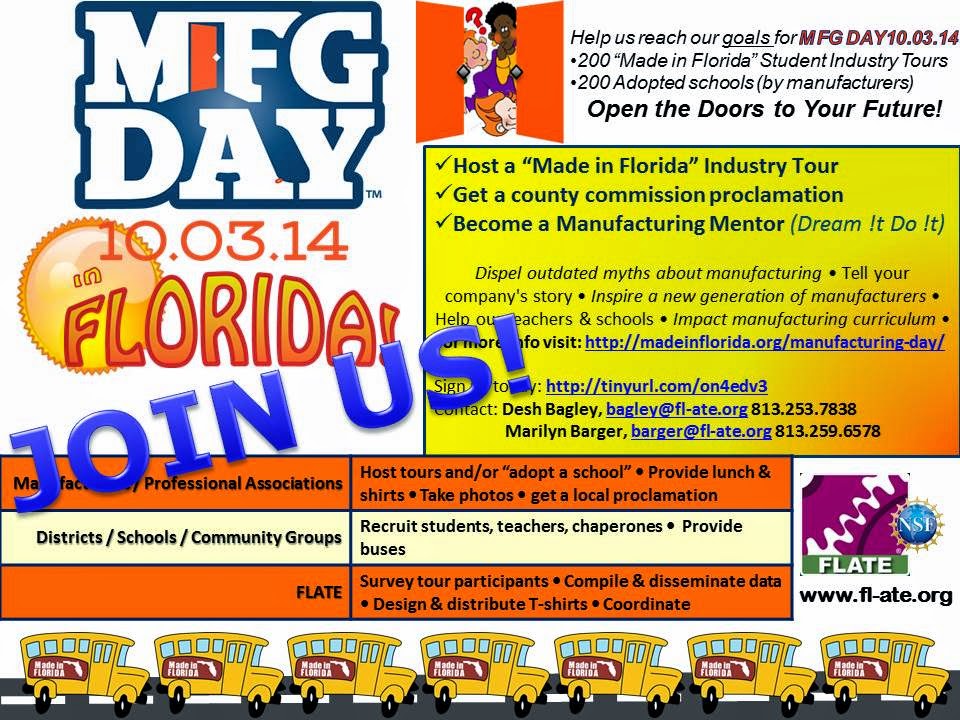
Manufacturing Day in Florida which is Oct. 3, 2014. During these upcoming webinar(s) Manufacturing Day partners will get a chance to review curriculum aligned to the new Florida Standards developed by FLATE to enhance tour experience for all participants. WE encourage all industry and educators across Florida to attend the webinar which is tentatively set for August 2014. More details will be posted as we draw closer to the date.
For more information on 2014 National Manufacturing Day in Florida contact FLATE’s Executive Director, Dr. Marilyn Barger at barger@fl-ate.org, and Desh Bagley, outreach manager for FLATE at bagley@fl-ate.org. For a recap of last year’s manufacturing day activities orchestrated by FLATE across the state visit www.madeinflorida.org/manufacturing-day.
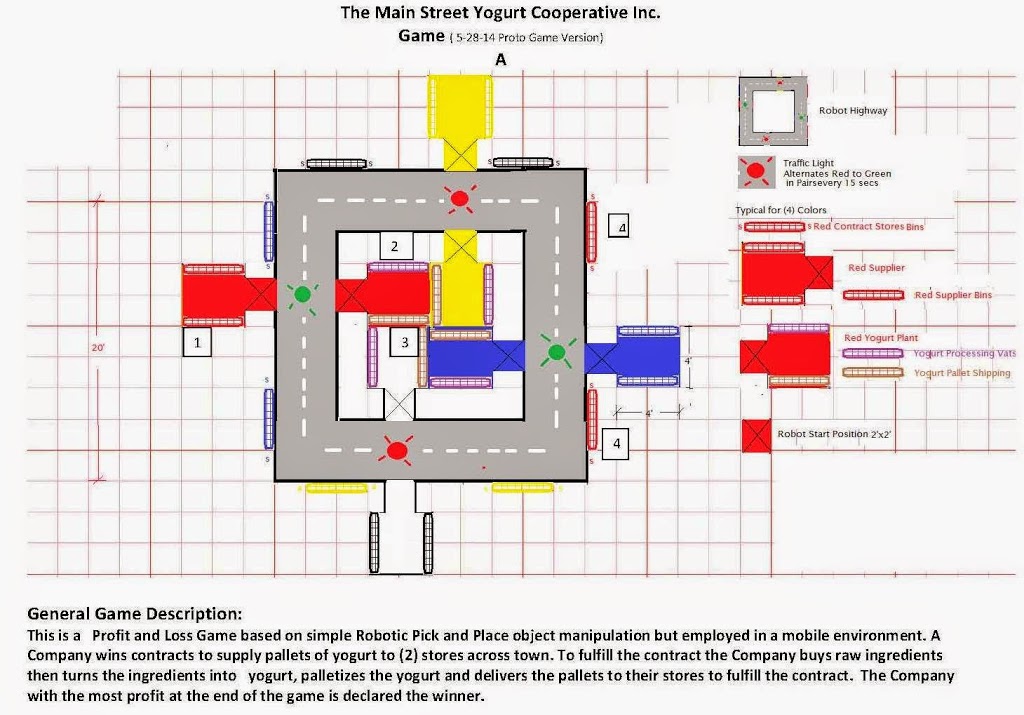
The BizBots project is a new team-based business and robotics competition designed in conjunction with Hillsborough County Public Schools. BizBots emphasizes both business acumen and engineering principles by having students design a robotic Pick & Place system for fulfilling commercial processing tasks.
The BizBots program is divided into three components. The first is an entrepreneurial/business portion where students will develop a business plan outlining the design, set-up and implementation of their robotically operated business. Special attention will be paid to each team’s ability to accurately forecast the output potential of their business. The second component is an introduction to the engineering process. Students will become familiar with modern manufacturing CNC equipment and software design tools, as well as proper project management and documentation techniques in the context of developing their Pick & Place robot. The third and final component is where the students’ hard work and planning culminates in a one day robotics competition. Students will put their business plan and robotic designs to the test by competing in a 16-team event with the goal of producing and delivering commercial product orders.
For more information contact Ken Fiallos, P.E. &FLATE technical project coordinator at fiallos@fl-ate.org and visit www.FloridaRoboticsAlliance.org.
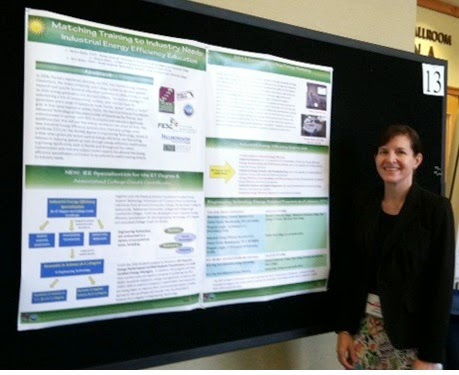
Center in Gainesville. The annual workshop provides an opportunity for experts from academia and industry and students, to share energy research, ideas and information. FLATE staff gave an oral and poster presentation highlighting the new Industrial Energy Efficiency college credit certificate and specialization for the Engineering Technology degree.
For more information about FESC and the new Industrial Energy Efficiency college credit certificate and specialization, contact Nina Stokes at stokes@fl-ate.org, or visit https://flate.pbworks.com/w/page/49891236/ETModules.
Hillsborough Community College in Brandon last June, and the evident need for more information and resources on this topic, staff has been working on designing a new, Best Practices Guide for Recruiting and Retaining Girls in STEM.
Polygon has been making the cutters out of high speed steel, a very hard substrate that resists wear and chipping. The company currently offers M-2, M-42, PM M-4 and PM T-15 varieties for machining different materials. Peter Bagwell, a Product Engineer for the company, was asked about which materials are used for broaching bone screws, and explained how the choice of substrate material depends on the method of broaching. Bagwell also talked about a new rotary broach material the company is researching.industry tour hosted for the manufacturing day in Florida tours organized by FLATE in 2013. “We value the partnership with our local customers and suppliers and are happy to bring them in and show them what we’re offering,” says Bagwell. We also maintain healthy relationships with other organizations like the Precision Machined Products Association (PMPA) and the National Tooling and Machining Association (NTMA). The company believes participation in each of these networks is key to remaining the leader in rotary broach technology.
For more information on Polygon visit https://www.polygonsolutions.com, or contact Peter Bagwell, rotory broach product engineer at peter@polygonsolutions.com, or 239.628.4800. For information on FLATE, or to host/organize a tour for Manufacturing Day in Florida on Oct. 3, 2014 visit www.madeinflorida.org/manufacturingday.
Earlier this month President Obama announced additional funding opportunities from the Department of Labor for Community Colleges under the TAACCCT program (Trade Adjustment Assistance Community College and Career Training) and separately, additional funding for apprenticeship programs. The second, $100,000,000 will be awarded later this year from H1-B funds for American Apprenticeship Grants. Apprenticeships are a proven path to employment and the middle class: 87% of apprentices are employed after completing their programs with an average starting wage for completers of over $50,000. The program will support several innovative projects that include: scale in-demand job training across the country through national industry partnerships; advance education & training to ensure seamless progressions, and improve statewide employment and education data integration and use. last year in the series “Defining Workable Education Models” where we took a close look at the terms of engagement for apprenticeship programs. What many Florida manufacturers do know (or think they know) is that apprenticeship programs can produce many qualified workers that they need in various technical manufacturing and industrial areas. What they might not know is that most apprenticeship programs are primarily run by (or registered to) a company. Detailed information about apprenticeship programs in Florida can be found at the Florida Department of Education website at www.fldoe.org/workforce/apprenticeship.
![]() |
| Click to Enlarge Image |
Alternative to these very structured apprentice programs, there are many new co-operative (work-study) systems being implemented across the country. They are not true apprenticeship programs. They are innovative co-op programs in two-year programs that are providing consistent, monitored work experience integrated with specially designed academic degree programs. These programs provide many of the advantages of registered apprenticeships with a different mix of academic and technical courses and work experience. The programs typically run cohorts of students, and provide paid part-time and/or full-time work. Students graduate with an associate degree in a technical discipline and will have worked 20-40 hours per week in an industry related position with mentoring at the employer when they graduate. These programs still require significant commitment by the companies. Employers commit to helping design the coursework; providing monitored OJT work experiences; and paying the students for their work during the 2-year program.
Terms of Use | Privacy Statement