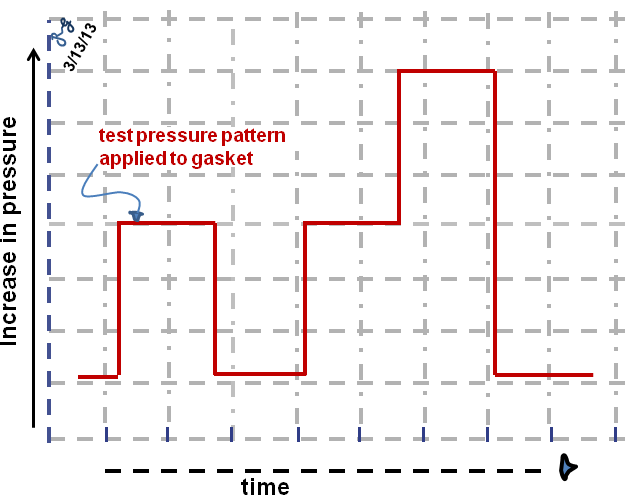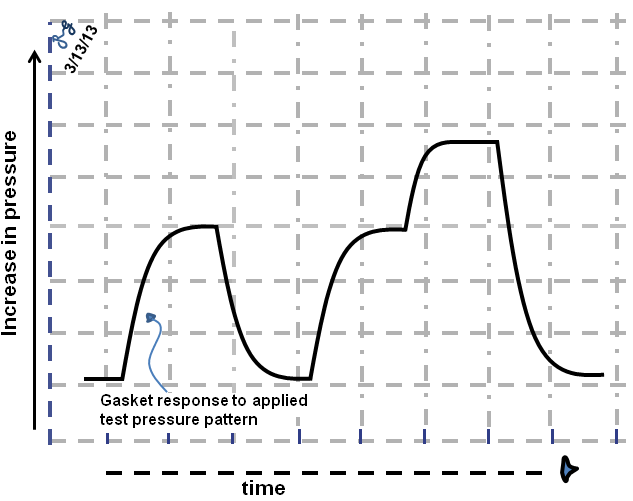
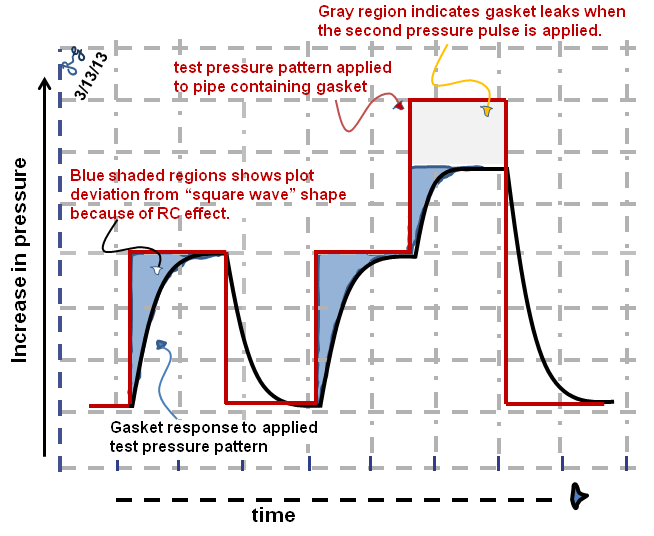
The Tech rejected the actuator because the test results shown below were not the same shape as the applied pressure test pattern shown above. NO
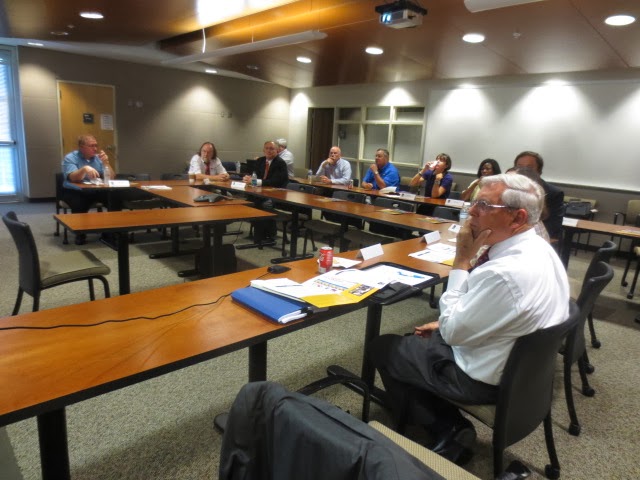
and education to streamline its curriculum, outreach and professional development efforts. The IAC consists of industry partners from the manufacturing community, representatives from related professional and industry organizations, and others in the community interested in advancing technician education and training of the manufacturing workforce in Florida. Tina Brudnicki, current Chair of the IAC and a member since 2005 says the role of the IAC is “to promote and support the education and training of the current and future manufacturing workforce.” Brudnicki views the IAC as a strategic partner with local industry to lay a strong foundation for a qualified workforce in Florida.
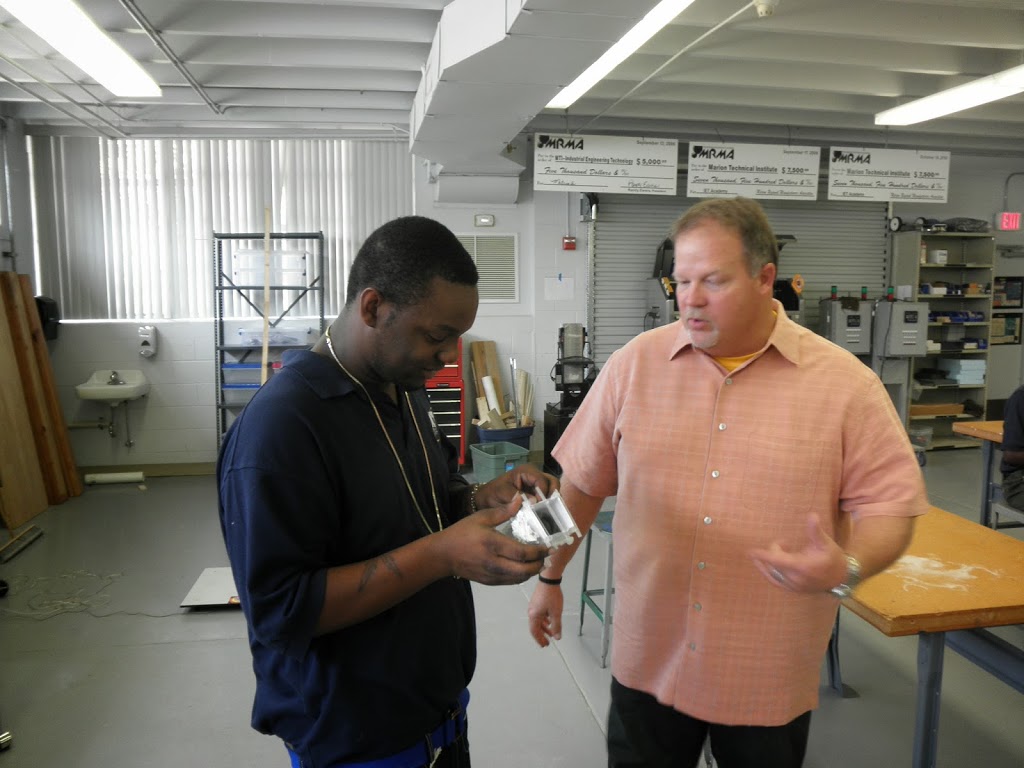
companies conduct daily business and devise a plan to reach out to the emerging talent pool. Toney, who has been a member for the past three years and an instructor at the Robotics & Automation Design Academy which is affiliated with Marion Technical Institute in Ocala, FL., says “creating awareness and cultivating interest from the get-go is key.” He makes an interesting point in noting that traditional communication tools like newspapers, journal articles, or television are less effective in reaching out to teenagers. Most teenagers he says get their staple diet of news via word-of-mouth from teachers, career counselors, and more recently via social networking. These coupled with a younger, a fresher voice he says will connect better and attract younger students to manufacturing.
be concentrating on so they can streamline curriculum and instruction at the high school level. He also encourages industries to come to the classroom and talk to students about certifications and skills set they are looking for in current/future employees which in turn would help students align their educational goals to match industry needs. Tina, on the other hand, hopes the statewide A.S. degree in engineering technology, which represents the culmination of a joint effort between FLATE and the IAC, will eventually serve as an incentive for industry to find qualified workforce and relocate to Florida.
![]() |
| Photo Courtesy: FTC Facebook |
will be sponsoring a number of local robotics teams. The 2013-2014 robotics season starts with FIRST LEGO® League (FLL) qualifying round of tournaments in November and lasts through January, 2014.There are over 500 teams registered in Florida. The FLL challenge is based on a real-world scientific topic.
Research theme for this year is “natural disasters.”The Florida First Tech Challenge (FTC) season in Florida just started in September and runs through
![]() |
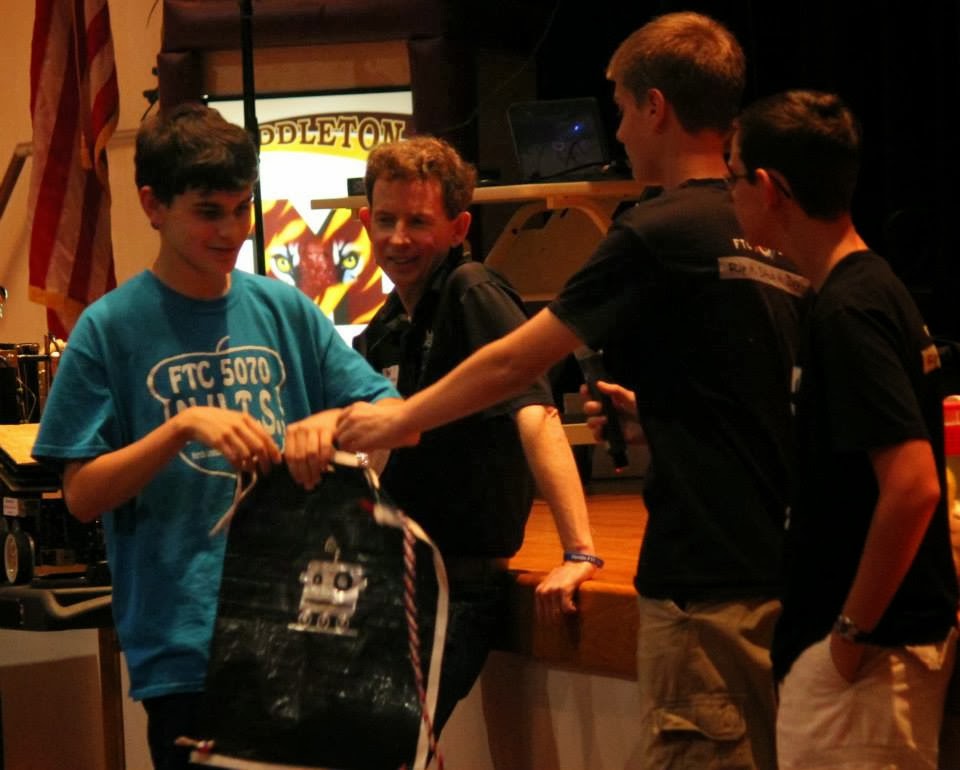
| FTC Season Kick Off (Photo Courtesy FTC Facebook Page) |
February. The Kickoff for local FTC was September 21st at Middleton High School for the Tampabay Area teams. Middleton High School has FRC, FTC, and VEX. The FRC and FTC teams have had their kickoff meetings and are adding new team members. FIRST® Tech Challenge (FTC®) is a mid-level robotics competition for high-school students that helps them learn to design and build robots with both driver and autonomous controlled behavior. FTC robots are built with the TETRIX® or MATRIX® robot kits and are controlled by the LEGO® MINDSTORMS® NXT Robotic System with a choice of 2 software platforms; ROBOTC or LabVIEW. Student teams develop robots that can perform the tasks defined in the Challenge, then compete with, and against, other teams in qualifying competitions and a state championship. The purpose of FIRST Tech Challenge is to give high school age students an opportunity to experience the fun and excitement of complex problem solving in a positive and supportive team environment. Visit the FTC web site for more information.
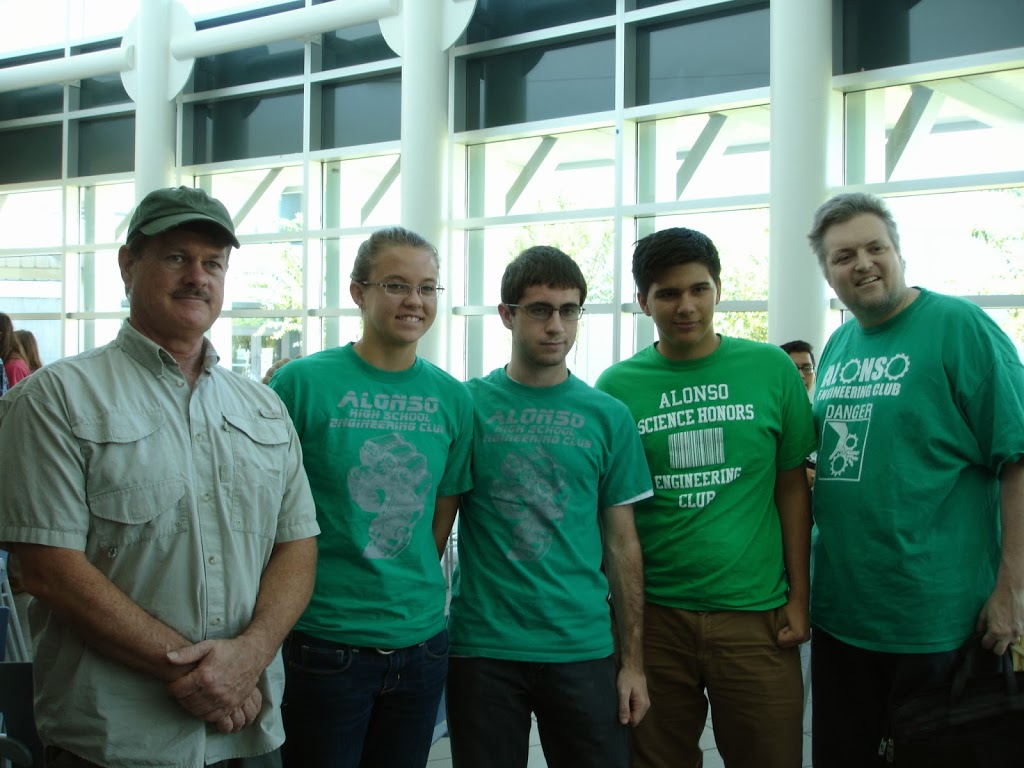
Strawberry Crest High School is participating in FTC and BEST this year. October also marks the season
kick off for BEST robotics competitions across the state. Nearly 100 robotic enthusiasts showed up at the HCC Brandon Campus in October with 12 HCPS teams lining up at the starting line for the 42 days of BEST Robotics Competition. Eleven of the teams are led by HCPS science teachers plus the 12th team of the heavily favored All Girls team, Brandon Vibots composed of alums from the McLane robotics engineering club. This year’s BEST Competition theme titled, GateKeeper, is focused on building of a 32 bit CPU using logic gates. BEST tournaments are scheduled for Nov. 1-2 at Lennard High School in Ruskin, FL. 
Additionally FIRST Coordinator Terri Willingham is promoting a Robocon, and various VEX tournaments are also being organized across the state. For more information on robotics competitions happening this Fall and Spring visit www.fl-ate.org, or contact Desh Bagley, outreach manager for FLATE at bagley@fl-ate.org, and Dr. Marilyn Barger, executive director of FLATE at barger@fl-ate.org.
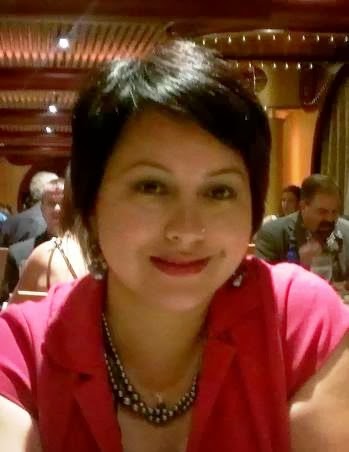
FLATE has a dedicated group of professionals who make everyday tasks as well as complex projects appear seamless to the outside world. Janice Mukhia, FLATE’s communication specialist started her 7th year with FLATE late last month. Janice accepted a half time position in September 2006 with the charge to develop a quarterly newsletter for FLATE. Two years later, armed with her bachelors degree in communications, she joined the FLATE team in a full time position and was charged to migrate our FLATE Focus from a quarterly paper based version to a monthly on-line blog format. For the last 3 years, the award winning FLATE Focus has set the mark of excellence for newsletters of its kind. Thank you Janice for taking new challenges in stride, leading us in the world of social media, and keeping us always on deadline so our message is regularly distributed to FLATE’s stakeholders. Thanks for your constant smile, always being willing to help, and making all of us at FLATE “look good”.
2013) and formal student internships (FLATE Focus July 2013). This month we will look at less formal work experiences for students. These experiences differentiate themselves from apprenticeships and internships by the important fact that they do not have any tie to a particular credit-bearing course (as an internship would be). These less formal work experiences can certainly add important related work experience to a student’s resume. These opportunities can be thought of as regular part-time jobs that happen to be in the student’s field of study.
qualify for the federal program. On-campus jobs of interest to students in technical programs could include the laboratory technician helpers, or positions in the college utilities, or information technology departments. Work-study programs and campus student assistant positions have the advantage of providing a work experience at the same location that the students attend classes, but is not necessarily work in a “real manufacturing company.” Additionally, there is no connection to a college course, so there is no specific set of skills and work experience expectations, and no assessment by a faculty, or instructor as would happen in a formal internship program.
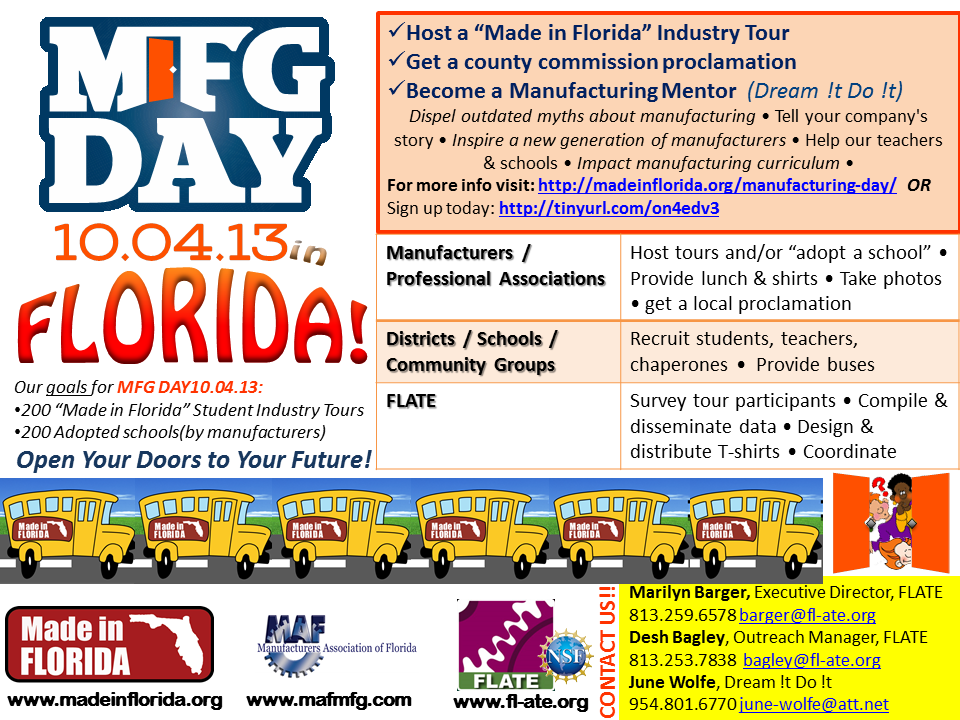
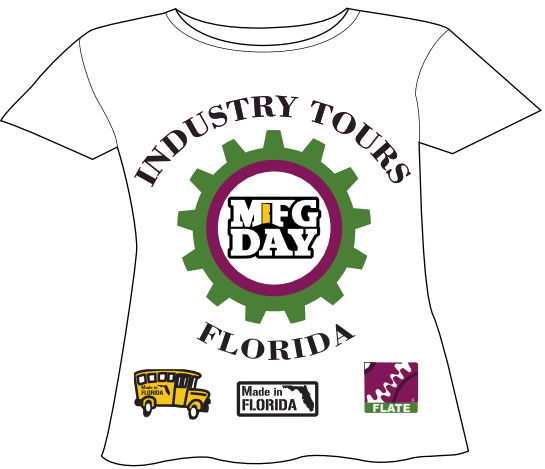
It’s not too late to sign up for Manufacturing Day in Florida. FLATE, the National Science Foundation Center of Excellence at Hillsborough Community College in Brandon and the Manufacturers Association of Florida are working with industry partners and educators across the state to make a big, statewide splash for students on Manufacturing Day which is on Oct. 4, 2013. This event is the perfect opportunity to expand knowledge about and improve public’s perception of manufacturing careers.local companies, arranging media publicity, designing and delivering t-shirts, and surveying students to assess the impact on students in specific regions as well as the overall impact on all participating students. The t-shirts also serve as a tangible and long-time reminder of the significance of Manufacturing in Florida. And, of course, it all helps put the “fun” in manufacturing.
average wages and benefits, full-time hours, and stable employment. A relatively new data source, the Quarterly Workforce Indicators, reveals that new hires in manufacturing sectors earn more than new hires in other industries. Key points include a notable premium for new hires in manufacturing (38 percent) at the end of 2011. Additionally, new hires in manufacturing make approximately 70 percent of incumbent worker earnings compared to new hires in other industries that average only 60 percent of incumbents. Since the recession began, new hires and incumbents in manufacturing have had real earnings grow 3.5 and 2.4 percent points. New hires in other industries saw no growth in earnings while incumbents actually have seen a decline in real earnings during the study time period 2000-2011.
indicate a higher skill and/or education level of the new hires joining the manufacturing workforce. This reflects the industry’s need for multi-skilled technicians to operate and maintain the increasingly sophisticated automated machinery that is being added to most manufacturing facilities across the country. This is certainly the direction we see with our manufacturing partners in Florida who are looking for more skilled and educated workers to grow their workforce.
driven actuator before it was to be shipped to the customer. After examining the test results shown in the graphic below, the Tech did not send the actuator to the customer, but instead, sent it back for rework because the actuator leaked. The leak test involved the application of the pressure pattern shown to the right. The Tech knew that the value was not supposed to leak when the pressures in the test pattern were applied to the hydraulic fluid in the actuator.
development organizations recently conducted a comprehensive skill set needs assessment for Hillsborough and Pinellas Counties. The report was published in August 2013, and was sponsored by Tampa Hillsborough Economic Development Corporation, Pinellas County Economic Development, Tampa Bay Workforce Alliance, WorkNet Pinellas, Tampa Bay Partnership and Florida High-Tech Corridor. The Hillsborough-Pinellas Manufacturing Gap Analysis was targeted to quantify the areas’ difficult to fill manufacturing skills set. In total, 107 skill sets across 16 job type categories were surveyed. There were 109 responding companies, representing 14,715 employees, or 28.9% of the entire manufacturing employee population in the two county area.
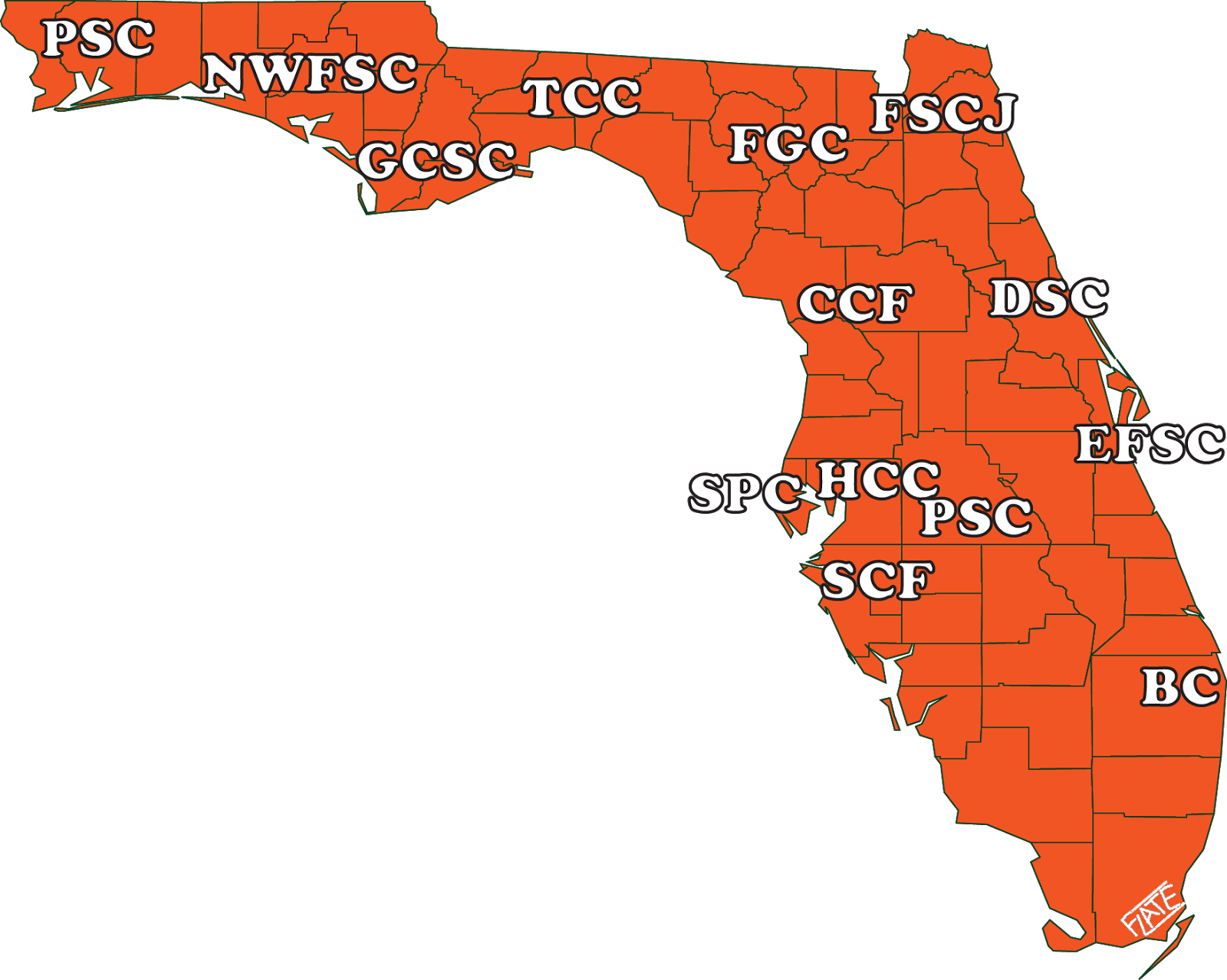
in the area to address the skills gap. Among these, FLATE the National Science Foundation Center of Excellence at Hillsborough Community College (HCC) was named as the go to organization for manufacturing and advanced technical education. FLATE developed and continues to support the comprehensive Engineering Technology associate of science degree and certificate programs offered at HCC, St. Petersburg College and 14 community & state colleges in Florida. These programs offer training in many of the high vacancy jobs identified in the survey that include machining, electronics, and quality.
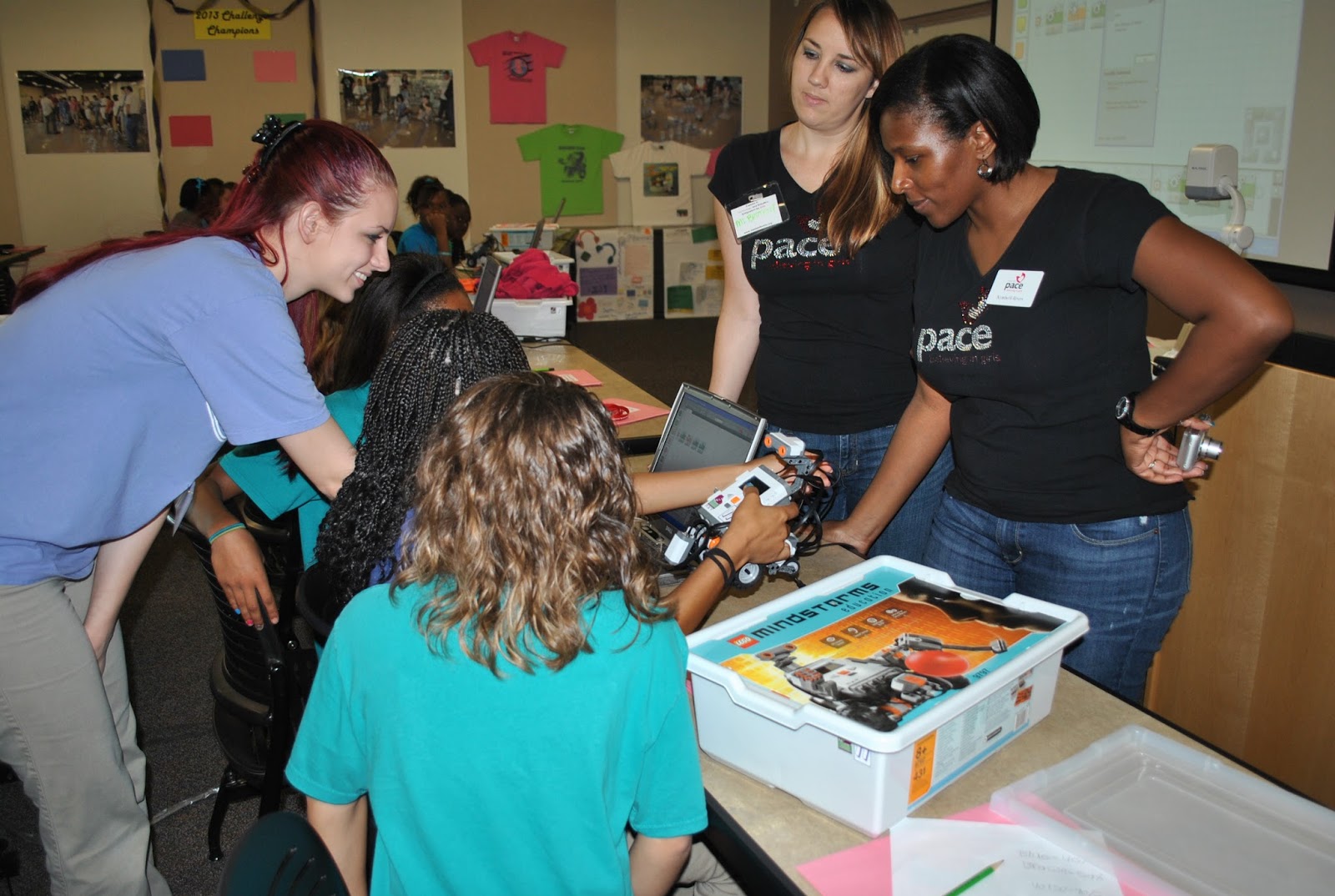
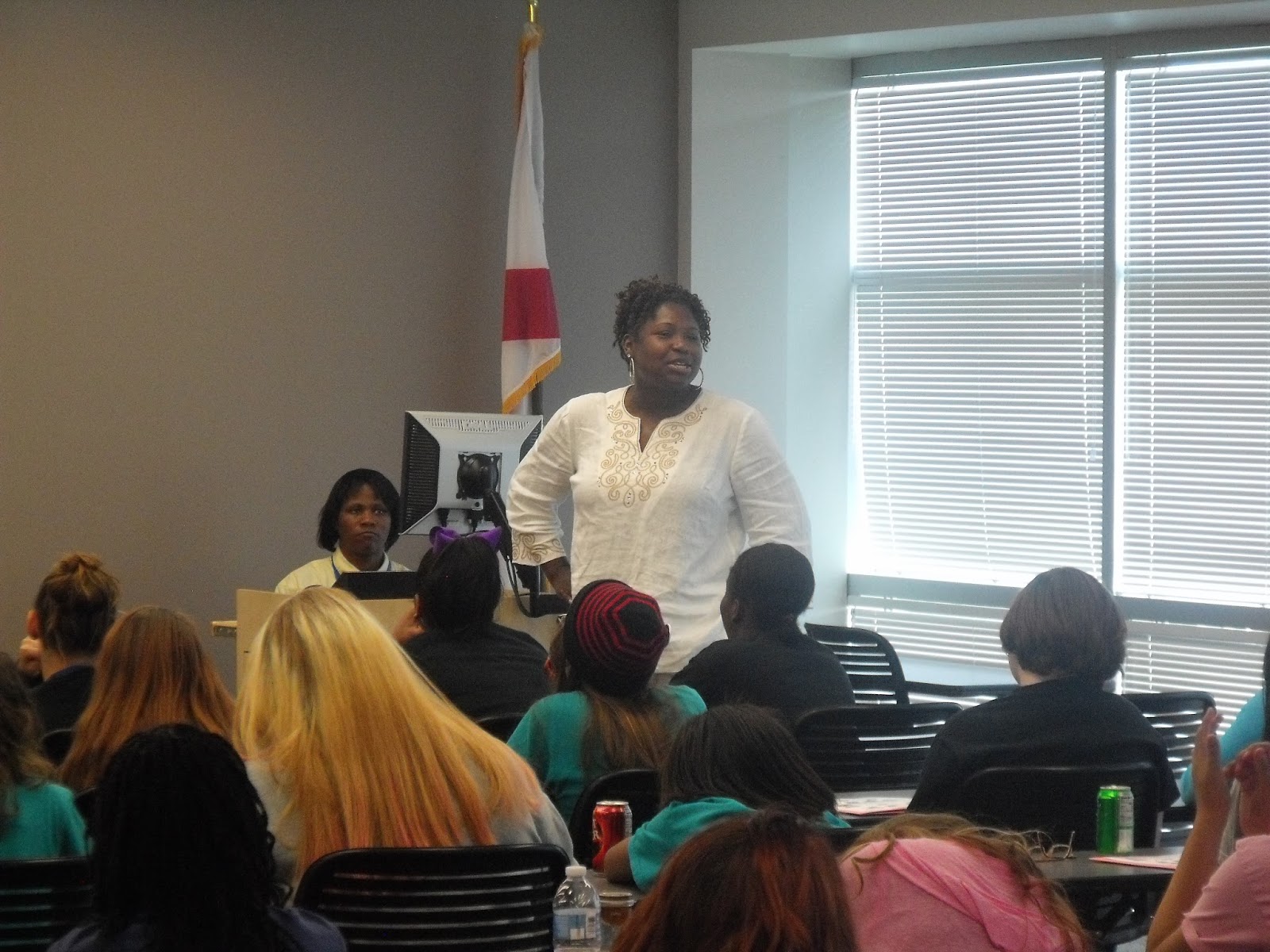
Community College in Brandon, the girls programmed Lego® Mindstorms® robots, and got an overview of educational and career pathways in Science, Technology, Engineering and Mathematics (STEM). “Our goal is to provide students with hands-on robotics experiences while emphasizing how robots are used in manufacturing” said Desh Bagley, outreach manager for FLATE. To that effect, students got a wealth of information on applications of robotics technology in everyday settings and in manufacturing operations, and witnessed a demo of the NAO humanoid robot in action. To give a real-world view of engineering and technical professions, Dr. Sylvia Thomas, professor of electrical engineering at the University of South Florida in Tampa, gave a first-hand account of a “day in the life of an engineer,” and the skills set and knowledge required to pursue STEM based careers and educational pathways. “I’m here to encourage each of you to dream and to become the great young ladies that you are” said Thomas.
STEM professional. The students also got an overview of local high-tech companies, like Lockheed Martin, Pratt & Whitney, Featherlite, Tampa Armature Works and Tropicana that they could work for in the future. “It’s all about discovering who you are and the choices that you have” Thomas said.
Terms of Use | Privacy Statement